


Nick Udenta
More than 1,000 Nigerians living in South Africa have applied for voluntary repatriation amid escalating afrophobia attacks targeted at Africans and growing anti-immigrant sentiment, raising fresh concerns over the safety of foreign nationals in the country.
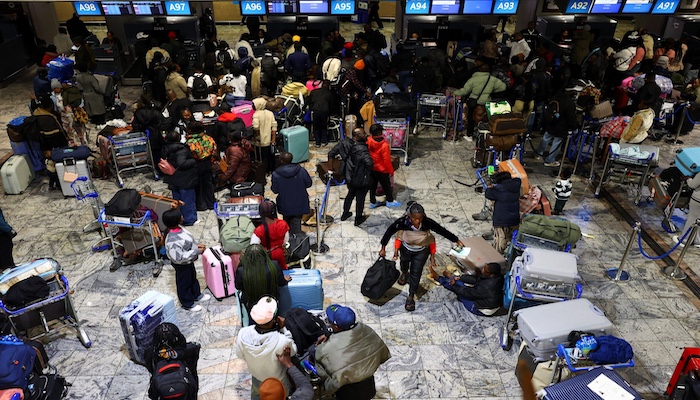
Nigeria’s Ministry of Foreign Affairs confirmed that 1,094 Nigerians have so far registered to return home under a government-assisted repatriation programme, marking a dramatic increase from the 130 applicants recorded when the scheme was first introduced barely a month ago.
This is in response to intensified attacks by the obdurate black South Africans who renewed anti-foreigner protests and violent attacks that have left several African nationals dead, forced hundreds to flee their homes and revived painful memories of previous waves of similar violence that strained relations between Pretoria and several African countries, including Nigeria.
Officials said Nigerian and South African authorities are currently conducting a joint verification exercise to determine the eligibility of applicants before evacuation arrangements are concluded.
Foreign Affairs Ministry Spokesperson, Kimiebi Ebienfa, explained that the screening process would ensure that only qualified applicants benefit from the programme, while South African authorities have agreed to waive certain penalties related to immigration violations for those approved for repatriation.
The sharp rise in the number of Nigerians seeking to leave South Africa underscores growing anxiety within migrant communities as hostility towards foreign nationals intensifies.
For many Nigerians, the decision to return home represents the collapse of dreams built over years of migration in search of better economic opportunities.
South Africa has long remained a preferred destination for African migrants because of its relatively advanced economy, attracting workers, traders, professionals and entrepreneurs from across the continent. However, periodic outbreaks of xenophobic violence have repeatedly threatened the country’s image as a regional economic powerhouse.
In 2012 Nigeria retaliated when South African authorities deported Nigerian passengers who arrived Johannesburg with the Nigerian carrier, Arik Air and insisted that their vaccination (yellow) card was not genuine. Nigeria, in return, repatriated South Africans who arrived with South African Airways over similar allegations in reciprocal measure.
Recent attacks in the coastal town of Mossel Bay left several people dead and dozens of homes destroyed. Mozambican authorities confirmed that some of their citizens were among the victims, while hundreds of migrants from neighbouring countries have since sought refuge or returned home.
The latest crisis has reignited debates over migration, unemployment and social tensions in South Africa, where foreigners are frequently blamed by large numbers of indigenes for worsening economic hardship, crime and pressure on public services.
Campaigners and human rights organisations argue that migrants have become convenient scapegoats for deep-rooted structural challenges confronting the country, including one of the world’s highest unemployment rates and widening inequality.
The situation has also triggered diplomatic concerns across Africa.
Most Africans who live in South Africa generate their own business or engage in jobs shunned by the locals. For example, they shun apprenticeship in mechanic workshops and Malawians, Zimbabweans and others get engage in them. Also, because of lack of poor work ethic and lack of commitment, most employers prefer to employ other Africans who show discipline and loyalty to them.
South African President Cyril Ramaphosa has condemned xenophobic attacks and reiterated his government’s commitment to protecting all residents regardless of nationality. He announced plans to dispatch special envoys across Africa and beyond to reassure partner countries and strengthen diplomatic engagement over migration-related tensions.
Nevertheless, critics argue that repeated condemnations have done little to halt recurring attacks that have claimed dozens of lives over the years.
Nigeria and South Africa, Africa’s two largest economies, have experienced periodic diplomatic tensions arising from xenophobic violence. In 2019, widespread attacks on foreign nationals triggered retaliatory protests in Nigeria, leading to the evacuation of hundreds of Nigerians from South Africa and renewed calls for stronger protections for African migrants.
The current surge in repatriation requests suggests that many Nigerians no longer feel secure remaining in the country despite official assurances.
Analysts have warned that the unfolding situation could have significant economic and diplomatic implications if not urgently addressed. Thousands of Nigerians contribute to South Africa’s economy through businesses, professional services and skilled labour, while remittances from migrants remain an important source of income for families back home.
For the families of those preparing to return, however, the immediate concern is safety.
As authorities finalise arrangements for the voluntary evacuation programme, the growing exodus serves as a stark reminder that nearly three decades after the end of apartheid, xenophobia remains one of South Africa’s most persistent and troubling social challenges.
The departure of more than 1,000 Nigerians may be voluntary on paper, but for many, it reflects a painful reality: the search for opportunity has been overtaken by the struggle for survival.
Source: aviationmediaafrica.com