


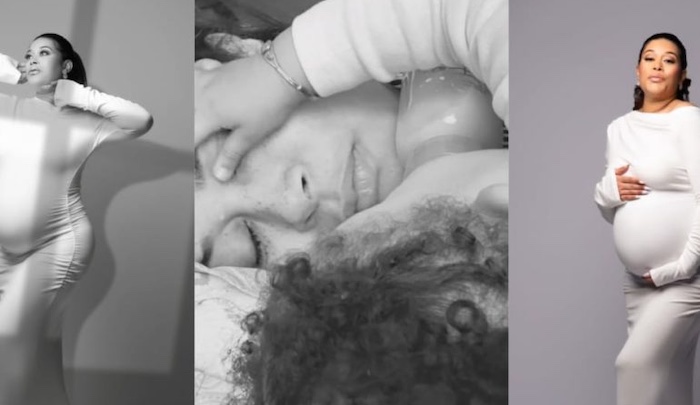
Adunni Ade raised a daughter for two full years before Nigeria even knew she existed.
She didn’t post countdowns on Instagram Stories. No maternity shoot, no baby shower announcement. She just lived her life quietly, on her own terms, until she was ready. Then on her birthday she told the world herself.
“We chose privacy,” she wrote. “Not because we owed anyone secrecy but because peace is priceless, and not everything good needs an audience.”
She is not alone in that sentiment. Across Nollywood and the Nigerian entertainment industry, a growing number of public figures are making the same calculation.
Social media has given Nigerian celebrities something they had never had before: direct, unmediated access to their audiences. For a while, many embraced it fully, sharing pregnancies in real time, documenting relationships as they developed, and building personal brands around radical openness. The audience rewarded the vulnerability with engagement, and engagement rewarded the celebrity with visibility.
But the arrangement came with costs that were not always visible at the start. Share pregnancies and you’ll get strangers critiquing your body, your partner, your parenting before the baby even takes a breath. Documented relationships became public property, subject to commentary, speculation and, when they ended, public autopsy. Moments that should belong only to the people living them turn into content, judged by likes, shares, and how fast a blog reposts it.
For some, the response has been to step back entirely. Not to disappear from public life, but to draw a sharper line between the professional self that belongs to the audience and the private self that does not.
Adunni’s announcement landed with warmth precisely because it was so clearly on her own terms. There was no managed rollout, no coordinated press, no brand partnership attached to the reveal. There was a mother introducing her daughter to the world when she felt the world had earned that introduction.