


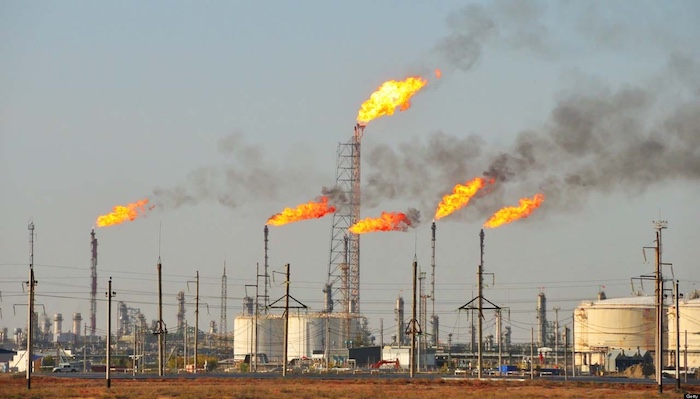
There is a sentence that should not make sense but does: Nigeria, the country with the largest proven gas reserves on the African continent, is experiencing a cooking gas shortage so severe that families are abandoning their cylinders and returning to firewood.
Nigeria is not a country that lacks gas. It is a country that has made a sustained, deliberate choice about who its gas is for. And for decades, the answer has not been its own people.
Numbers from the Nigerian Upstream Petroleum Regulatory Commission lay it out plainly. In the first two months of this year, 62% of Nigeria’s total gas output was exported, leaving only 38% for the domestic market. That is not a supply problem in the conventional sense. It is a priority problem. The gas exists. It is being produced. It is leaving the country.
The fallout is now hitting kitchens. Retail prices in many parts of the country are now between N1,700 and N2,000 per kilogramme, up by over 80% from an average of N1,100 in the first quarter of this year alone. Zoom out further and the picture is even starker. Data from the National Bureau of Statistics shows that the price of cooking gas rose 335% to N1,741 per kilogramme in 2026 from N400 per kilogramme in 2016.
Why do producers prefer exports? Simple. Export markets pay better and give stable FX. Domestic buyers use naira in an economy hit by depreciation, while regulations have long kept local gas prices low, so low that producers don’t find it attractive. The incentives point outward, so producers follow them.
What this means in practice is that Nigeria has spent years building an energy export economy on top of an energy-poor domestic one. The same fields producing gas for European and Asian markets are connected by inadequate pipelines to Nigerian cities where families cook on three stones. The same terminals facilitating LNG exports are sitting alongside domestic distribution infrastructure described by industry leaders as wholly insufficient for current demand.
Dangote’s refinery has helped at the edges. But analysts say national cooking gas demand is already up 20% to 1.8 million metric tonnes in 2026, while supply is only 1.55 to 1.65 million metric tonnes. That gap isn’t a glitch. It’s structural. One refinery won’t close it.