


Normally, when it comes to products and services Nigerians move with the currency. But they are known to be conservative when it comes to automobiles. They will just give a brand a label that may damn it or make it a darling of the people.
For example, Toyota is the darling of Nigerian consumers. It is a high quality brand that is highly competitive but Nigerians give it more credit than it deserves; because it is their darling. And because of that the price of used Toyota vehicles imported into the country is relatively outrageous.
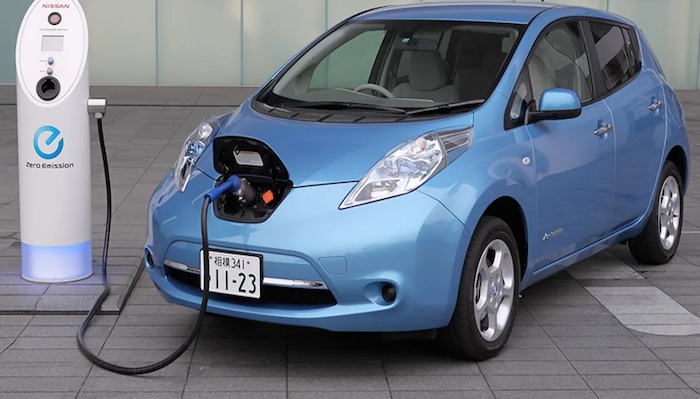
Recently, electric vehicles have become the vogue. It is far more economical and also cheaper. China is major manufacturer of electric vehicles and according to reports; it has taken 25 per cent of the global auto market.
In the Global Electric Vehicles Outlook 2026, the electric car market reached new highs in 2025, growing by 20% from 2024 to exceed 20 million sales, in line with expectations in the 2025 edition of the Global EV Outlook1. The sales share of electric cars in the overall car market increased to 25%. This marked the fifth consecutive year in which annual electric car sales increased by about 3.5 million, a trend that began in 2021 after the Covid‑19 pandemic. As a result, about 5% of the global car stock is now electrified, displacing 1.2 million barrels of oil per day in 2025.
In Nigeria, there is still skepticism about the full embrace of electric vehicles, but it is slowly penetrating the market. Before now, Nigerians are not fully enthusiastic about vehicles manufactured in China and South Korea, but over the years, many Nigerians reluctantly embraced Hyundai and Kia. Today, the two vehicle brands have made inroads into the Nigerian market.
Even before electric vehicles from China, Nigerians have started embracing Chinese vehicles slowly and now that electric vehicles have entered the Nigerian market largely from the Asian nation, Nigerians will have to fully embrace it over time.
After all, Nigeria now depends on China for most technologically driven products, consumer products, machineries and others.
But what is the economic implication of Nigerians abandoning petrol vehicles for electric vehicles?
The adoption of electric vehicle (EV) in Nigeria could have significant implications for the nation’s oil sector. These include reduced oil demand which would bring down the cost of petrol and diesel. It may also lead to reduced oil export if other nations also embrace EVs.
The shift to EVs could impact the oil refining and distribution sectors, which are currently reliant on fossil fuel. Also, full embrace to electric vehicle may create job opportunities in the manufacturing of EVs, battery production, and related industries, but it will also lead to loss of jobs. The mechanics that currently repair petrol vehicles will have fewer vehicles to repair and many of them may not adapt to the maintenance of electric vehicles, which do not have complex mechanism beyond battery changes.
Reports also indicate that the transition to EVs presents a strategic opportunity for Nigeria to redefine its mobility future, reclaim economic sovereignty, and accelerate industrial transformation. It is a move towards a more sustainable and efficient transportation system, benefiting both the environment and the economy.
The Chairman of a major oil marketing company said that Nigeria has huge oil and gas deposit but it does not have huge electricity capacity. He wondered what would happen to the Nigerian oil resources when Nigerians fully embrace electric vehicles that will increase charging demand from electricity that is not enough.
He further argued that the belief that electric vehicle is good for the environment may be cancelled by future new research when more electric vehicles will dominate the roads.
He also argued that if electric vehicle is absolute alternative, the West would have stopped manufacturing petrol vehicles. But today they still manufacture petrol vehicles and have not shown any sign they would stop soon.
Finally, the marketer said that Nigeria should be the last to drop the use of petrol vehicles because it has enough oil to keep them running.
Recently, Ethiopia stopped the use of petrol vehicles for certain reasons, which include fiscal pressures and the need to cut cost.
Reports indicate that the country defaulted in its sovereign bonds in 2023 and received $4 billion bailout from IMF in 2024. So, the government aimed to reduce fuel import costs and ease financial pressure by banning the import of petrol and diesel vehicles.
Will Ethiopia succeed in banning petrol vehicle 100 per cent? This is what Ethiopian Tribune wrote, “When Prime Minister Abiy Ahmed announced that Ethiopia would no longer import fuel-powered trucks, he framed the decision as an act of national renewal a bold declaration that Africa’s second-most populous country was ready to lead the continent’s green revolution. But in the days that followed, muted applause gave way to unease. To many inside and outside the country, Ethiopia’s rush towards electrification looks less like a calculated transition and more like a perilous gamble.”
For Nigeria, such experiment will fail from the beginning because too many interests will conspire against it. So, the best option for Nigeria is slow and steady embrace by those who are convinced that electric vehicles will serve them better.