

Twenty-seven years after Nigeria’s return to democratic rule, the debate over whether democracy has truly improved the lives of ordinary citizens remains as relevant as ever. Since the restoration of civilian governance in 1999, successive administrations have promised economic growth, improved infrastructure, enhanced security, and better living conditions. Yet, for many Nigerians, the question remains: have these promises translated into meaningful improvements in everyday life?
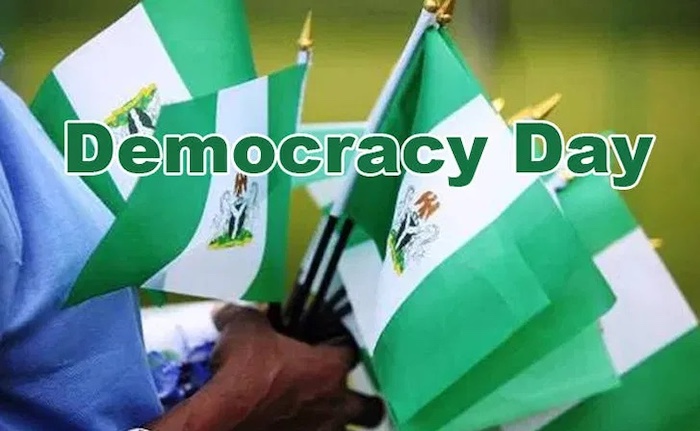
As the nation marked Democracy Day, President Bola Ahmed Tinubu described Nigeria’s democratic journey as a significant achievement, highlighting the country’s uninterrupted period of civilian rule and the resilience of its democratic institutions. According to the President, democracy has provided Nigerians with the freedom to choose their leaders, participate in governance, and hold public officials accountable.
The significance of Nigeria’s democratic experience cannot be ignored. For nearly three decades, the country has maintained constitutional governance, conducted elections, and witnessed peaceful transfers of power. These developments represent a sharp contrast to the years of military rule when citizens had limited opportunities to participate in political decision-making.
President Tinubu noted that democracy remains the most effective system for guaranteeing citizens’ rights and ensuring that government remains accountable to the people. He emphasized that democratic governance has strengthened national institutions and created opportunities for citizens to contribute to national development.
However, while democracy has recorded political gains, many Nigerians often judge its success through the realities of daily life. The ability to afford food, access healthcare, secure employment, educate children, and live in safe communities remains central to public perceptions of democratic progress.
Economic challenges continue to dominate public discourse. Rising living costs, unemployment, and inflation have affected households across the country. Many families struggle to meet basic needs despite the country’s democratic advancement. For these citizens, the true test of democracy lies not only in elections and political freedoms but also in improvements to their standard of living.
President Tinubu acknowledged the economic difficulties facing many Nigerians and argued that ongoing reforms are intended to strengthen the economy and create long-term opportunities. According to him, difficult policy decisions are necessary to build a more stable and prosperous future. The President maintained that the ultimate goal of governance is to improve the welfare of citizens and create conditions for sustainable growth.
Beyond economic concerns, democracy has expanded civic participation. Citizens now have greater opportunities to express opinions, engage in public debates, join political parties, and advocate for social change. The growth of digital media and civic activism has further increased public engagement in governance, allowing Nigerians to contribute to national conversations in ways that were not possible during military rule.
The media has also played a crucial role in deepening democracy by informing citizens, scrutinizing government actions, and providing platforms for public discourse. Through news reporting, investigative journalism, and public affairs programming, the media continues to serve as a bridge between leaders and the people.
Despite these gains, challenges remain. Issues such as insecurity, corruption, infrastructure deficits, and public distrust in some institutions continue to generate concern. Many Nigerians believe that democracy must deliver more visible improvements in education, healthcare, transportation, and employment if it is to fully meet the expectations that accompanied the transition to civilian rule in 1999.
President Tinubu has repeatedly stressed the importance of patience, participation, and collective responsibility in strengthening democratic governance. He argues that democracy is not a destination but an ongoing process that requires the commitment of leaders and citizens alike.
As Nigeria reflects on twenty-seven years of democratic governance, the nation’s record presents a mixture of achievements and challenges. There is little doubt that democracy has expanded freedoms, strengthened institutions, and preserved constitutional rule. Yet questions remain about the extent to which these gains have translated into improved living conditions for ordinary Nigerians.
Ultimately, the success of democracy cannot be measured solely by the number of years a country remains under civilian rule. It must also be assessed by its impact on the lives of the people. For many Nigerians, the hope that accompanied the return to democracy in 1999 remains alive. The challenge for leaders is to ensure that democratic governance continues to move beyond political milestones and delivers tangible benefits that can be felt in homes, workplaces, schools, and communities across the nation.
Twenty-seven years on, democracy remains a work in progress. Whether it has improved the lives of ordinary Nigerians depends on perspective, experience, and expectations. What is certain, however, is that citizens continue to look to democracy as the vehicle through which a better future can be achieved.