

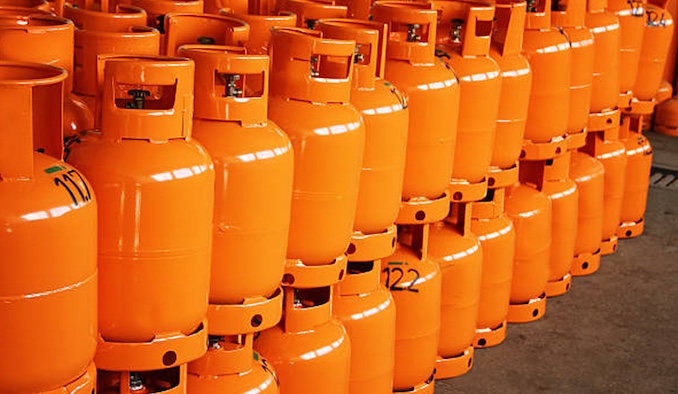
Domestic sales of Liquefied Petroleum Gas (LPG), popularly known as cooking gas, have risen by 30 per cent following ongoing reforms introduced by the Federal Government to boost local production, improve distribution and reduce dependence on imports.
Industry stakeholders say the increase reflects improved availability of the product across the country and growing consumer confidence in the domestic gas market. The development comes amid sustained efforts by authorities to promote cleaner and more affordable energy sources for households and businesses.
Experts in the energy sector noted that the growth in LPG consumption is a positive sign that recent policy interventions are beginning to yield results. They explained that increased domestic supply has helped stabilise availability, allowing more Nigerians to embrace cooking gas as an alternative to firewood, charcoal and kerosene.
The Federal Government has repeatedly emphasised the importance of expanding gas utilisation as part of its broader energy transition agenda. Officials believe wider access to LPG will not only improve public health outcomes by reducing exposure to harmful smoke from traditional cooking fuels but also contribute to environmental sustainability.
Despite the encouraging figures, industry players have identified infrastructure gaps, transportation costs and distribution challenges as major obstacles that still need to be addressed. They argue that continued investment in storage facilities, pipelines and retail networks will be critical to sustaining growth in the sector.
Analysts also point out that rising LPG adoption could help ease pressure on household energy costs over time, particularly if domestic production continues to expand. They maintain that reducing reliance on imported products would strengthen energy security and shield consumers from fluctuations in global energy prices.
The increase in domestic LPG sales is being viewed as one of the clearest indicators that reforms in Nigeria’s gas sector are gaining traction. Stakeholders are optimistic that further improvements in policy implementation and infrastructure development could drive even stronger growth in the coming years.