

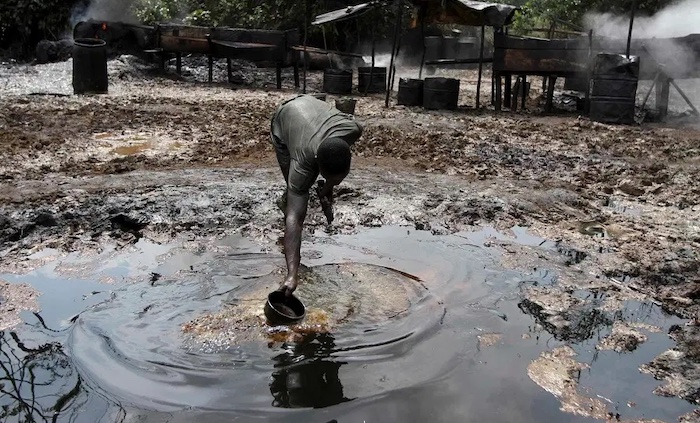
Communities in Nembe-Okiori, Bayelsa State, have attributed the sharp decline in aquatic resources such as lobsters, bonga fish, and periwinkles to years of oil pollution from exploration and production activities in the Niger Delta.
Leaders of the Host Communities Development Trust have raised the alarm, calling for stronger environmental remediation, adequate compensation, and sustainable support to restore the livelihoods of thousands who depend on fishing and related activities. According to community representatives, the once-thriving fishing economy has been severely crippled, forcing many residents into poverty and migration as traditional sources of income dry up due to contaminated waters and degraded ecosystems.
The situation highlights the ongoing environmental challenges in the Niger Delta, where decades of oil exploration have left a legacy of pollution, including oil spills, gas flaring, and toxic waste that continue to damage mangrove forests, rivers, and creeks. Residents report that fish populations have drastically reduced, with surviving species often unsafe for consumption due to contamination. This has not only affected household incomes but also contributed to food insecurity and health issues in the affected communities.
Environmental advocates and civil society groups have long demanded accountability from oil companies and the government, urging stricter enforcement of environmental laws, regular cleanup exercises, and alternative livelihood programmes for impacted communities. The call by the Host Communities Development Trust underscores the urgent need for collaborative efforts involving the government, oil operators, and local stakeholders to address the twin issues of environmental restoration and economic empowerment.
The development comes as Nigeria seeks to balance its oil-dependent economy with growing global demands for environmental sustainability and climate action. Stakeholders warn that without meaningful intervention, the degradation could lead to further social unrest and loss of biodiversity in one of the world’s most important wetlands. There are increasing calls for the full implementation of the Petroleum Industry Act provisions on environmental management and host community development to mitigate these long-standing problems.
As communities continue to suffer, the situation in Nembe-Okiori serves as a stark reminder of the human and ecological cost of oil production in the Niger Delta. Sustainable solutions, including modern pollution control technologies and diversified economic opportunities, are critical to restoring the region’s natural resources and improving the quality of life for its people.