


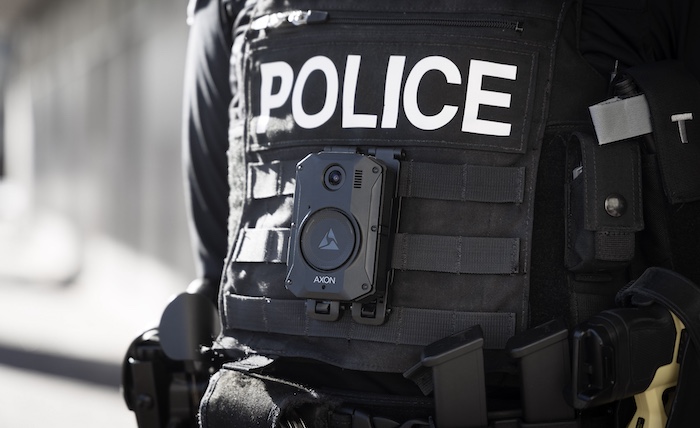
A Deputy Inspector-General of Police has strongly advocated the deployment of body-worn cameras for officers to promote accountability, transparency, and greater public trust in the Nigeria Police Force.
The senior officer said the technology would help document interactions with the public and significantly reduce cases of misconduct or false allegations against personnel. This push forms part of ongoing reforms aimed at modernising policing in Nigeria and addressing long-standing complaints about police-civilian relations. The use of body cameras is expected to provide objective evidence in disputes and enhance disciplinary processes within the force. Stakeholders believe this innovation could significantly improve police-community relations if properly implemented with clear guidelines and training.
The proposal comes at a time when the Nigeria Police Force is undergoing comprehensive reforms to reposition itself as a more professional and citizen-friendly institution. Body-worn cameras have been successfully deployed in several countries, leading to reduced complaints, better evidence in court cases, and improved officer conduct. In Nigeria, where allegations of brutality, extortion, and abuse of power frequently surface, the technology could serve as a game-changer in rebuilding public confidence.
Experts note that successful implementation would require substantial investment in equipment, data storage, training, and a robust policy framework to protect privacy rights while ensuring accountability. The initiative aligns with broader efforts to leverage technology in security operations, including the use of drones and CCTV in major cities. If adopted nationwide, body cameras could help transform the image of the police and foster better cooperation from citizens in crime prevention.
The DIG’s advocacy reflects growing recognition within the police leadership that transparency is key to effective policing. As the Force grapples with internal and external challenges, such reforms are seen as essential for restoring credibility. Public reactions have been largely positive, with many calling for swift implementation alongside other welfare and operational improvements for officers.