

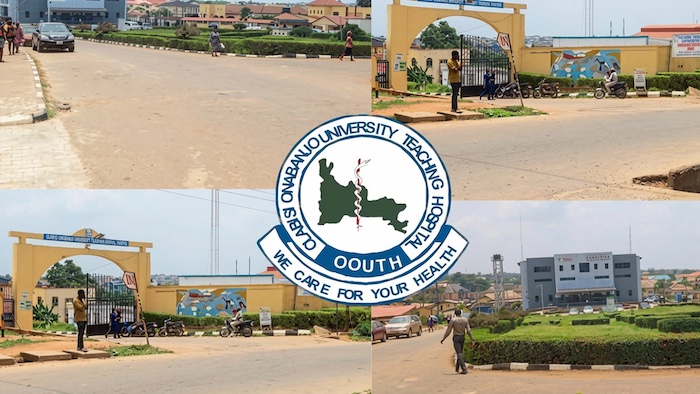
The Olabisi Onabanjo University Teaching Hospital (OOUTH), Sagamu, has been paralysed as resident doctors commenced an indefinite strike over the non-payment of various allowances and welfare issues.
The Association of Resident Doctors (ARD), OOUTH chapter, announced the industrial action in a statement on Wednesday after an emergency general meeting. The doctors listed several grievances, including the non-payment of the Medical Residency Training Fund (MRTF), Consequential Adjustment Arrears, and the 2024 promotion arrears. Other demands include the implementation of the 2021 hazard allowance, payment of outstanding COVID-19 inducement allowances, and the immediate release of the 2025 promotion list. The doctors also protested poor working conditions, inadequate equipment and delayed salary adjustments.
Chairman of the ARD, Dr. Oluwafemi Adefemi, said all efforts to engage the hospital management and Oyo State Government had failed to yield positive results. He warned that the strike would continue until all demands are met. The industrial action has grounded clinical services at the teaching hospital, affecting patients who rely on the facility for specialist care. Outpatient clinics, elective surgeries and emergency services have been severely disrupted, with only skeletal services being provided by consultants and other non-striking staff.
The development comes amid broader concerns about the welfare of healthcare workers in public institutions across the country. Hospital management has appealed to the doctors to consider the plight of patients while negotiations continue. Stakeholders have urged both parties to resolve the impasse quickly to prevent further loss of lives and deterioration of healthcare delivery in the state.
This strike highlights the recurring crisis in Nigeria’s public health sector, where poor remuneration, delayed promotions, and inadequate infrastructure continue to drive industrial actions. OOUTH, a major tertiary facility serving Ogun State and neighbouring areas, plays a critical role in medical training and specialist care. Its paralysis could lead to increased referrals to other overburdened hospitals and higher mortality rates for emergency cases. Health experts warn that prolonged strikes erode public trust in the system and accelerate brain drain as doctors seek better opportunities abroad.
The ARD’s demands centre on legitimate welfare issues that affect not only their well-being but also the quality of patient care. Many resident doctors are currently struggling with heavy workloads without corresponding incentives, leading to burnout and reduced efficiency. The state government is expected to engage the doctors urgently to avert a full-scale collapse of services. As the strike enters its early days, patients and their families are bearing the brunt, with many elective procedures postponed indefinitely.
The situation calls for a holistic approach to healthcare financing and worker motivation. Stakeholders believe that timely payment of allowances and improved working conditions are essential to retaining medical talent and strengthening the health system. The OOUTH strike adds to a growing list of similar actions in teaching hospitals nationwide, underscoring the urgent need for systemic reforms in the sector.