

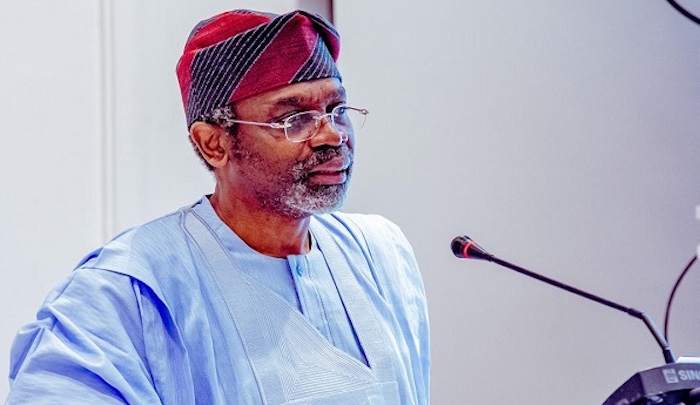
Chief of Staff to the President, Femi Gbajabiamila, has said the current N70,000 national minimum wage may no longer be sustainable in view of prevailing economic realities and rising inflation across the country.
Gbajabiamila made the remark during a high-level engagement involving labour leaders and government officials in Abuja on Thursday. He acknowledged the economic hardship facing many Nigerian workers and stressed the need for continuous discussions on improving workers’ welfare while maintaining fiscal responsibility.
According to him, any review of the minimum wage must take into account the financial capacity of federal, state and local governments to meet their obligations without creating additional economic pressures.
The Chief of Staff reiterated the administration’s commitment to improving living standards and creating a more stable economic environment. However, he noted that wage adjustments alone may not be sufficient to address the broader challenges affecting workers and their families.
His comments come amid renewed calls by organised labour for another review of the minimum wage, less than a year after the implementation of the N70,000 benchmark. Labour unions have argued that rising food prices, transportation costs and inflation have significantly eroded the value of workers’ earnings.
Economic analysts say the debate highlights the growing gap between wages and the cost of living. While workers seek higher incomes to cope with economic pressures, governments remain concerned about the fiscal implications of substantial increases in personnel costs.
Stakeholders expect further negotiations between labour unions and government representatives in the coming weeks. Any agreement reached could have far-reaching implications for both public and private sector employees nationwide.
Observers believe the discussions will test the government’s ability to balance economic reforms with social welfare concerns as Nigerians continue to grapple with inflation and rising living expenses.