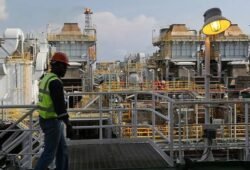


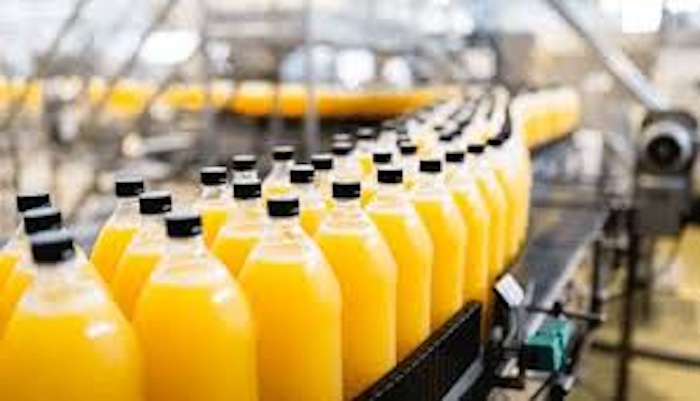
A processing facility that sat dormant for more than 18 years was inaugurated in Benue State on Saturday, as President Bola Tinubu commissioned the Bensono Fruits Processing Company’s 40,000-metric-ton concentrate plant during activities marking the state’s golden jubilee.
The President was represented by his Chief of Staff, Femi Gbajabiamila, who described the facility as consistent with the Federal Government’s commitment to agricultural value addition and industrial development. The plant, developed by the Benue Investment and Property Company, is positioned as one of the largest and most modern fruit concentrate facilities in West Africa, capable of processing 40,000 metric tons of fruit per day and supplying both local juice manufacturers and export markets.
The headline figure from BIPC Group Managing Director Raymond Asemakaha was striking. Nigeria spent approximately $68 billion on imported fruit concentrate in the past year alone. That number frames the plant not merely as a state industrial project but as a direct intervention in a foreign exchange drain that has persisted for decades. Asemakaha expressed confidence that the facility would substantially reduce that import dependence, though the scale of the gap between current imports and what a single plant can displace will take time to close.
The facility also addresses one of Benue’s most persistent agricultural frustrations. The state is Nigeria’s primary fruit-producing region, but the absence of processing infrastructure has meant that a significant portion of harvested fruit has historically been lost to spoilage before reaching markets. Governor Hyacinth Alia described the plant as a ready market for orchard farmers, converting a post-harvest loss problem into a supply chain opportunity. By-products from the processing operation will be converted into organic fertiliser, eliminating waste entirely from the production cycle.
Alia listed the concentrate plant alongside a fruit juice factory and the Food Basket Brewery as industrial projects completed by his administration within three years, presenting the cluster as evidence of a deliberate effort to reposition Benue as an industrial hub rather than solely an agricultural supplier. The governor commended Asemakaha and the BIPC board for completing a project that had stalled for nearly two decades under previous administrations.
Benue’s 50th anniversary provided the occasion. The plant’s revival after 18 years of dormancy provided the symbolism. A state that has been defined in recent years by the humanitarian crisis of farmer-herder conflict and displacement inaugurated a facility on Saturday that points toward a different kind of story: one built around processing capacity, export potential, and the economic value of the fruits its soil has always been able to produce.