

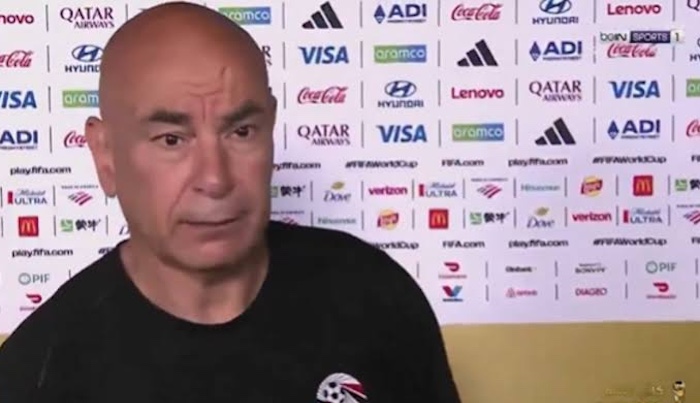
Hossam Hassan didn’t hold back. Moments after watching his Egypt side surrender a 2-0 lead to the defending champions, the coach stood in front of reporters and accused officials of costing his country a place in history. “I do not want to put it nicely and talk about hard luck. We have been cheated unfairly today, we have suffered injustice,” he said, in a press conference that quickly became as much a talking point as the match itself.
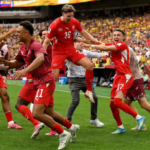
The result, a 3-2 defeat to Argentina on Tuesday, denied Egypt what would have been its first-ever World Cup quarter-final appearance, a milestone that looked well within reach for long stretches of the game. Mostafa Zico had a goal ruled out by VAR while Egypt led 1-0, the review flagging an earlier foul on Lisandro Martinez in the buildup. Rather than let that setback derail them, Zico responded by scoring again anyway, doubling Egypt’s lead and pushing the Pharaohs to the edge of a historic result. Argentina had other ideas. Cristian Romero pulled a goal back, and Lionel Messi, who had missed from the penalty spot earlier in the match, made no mistake the second time, levelling the score with his eighth goal of the tournament.
For Hassan, the real grievance came in the buildup to Argentina’s winner. He said Egypt should have been awarded a penalty when Alexis Mac Allister appeared to pull Hamdy Fathy’s shirt just before Enzo Fernandez scored the decisive goal, a moment he said VAR never even reviewed. “We haven’t seen respect or fair play. There has not been respect or fair play,” he said. “A penalty was ruled out, was not even checked by VAR. A second goal was remarkably disallowed. There has not even been a VAR check when we have all seen the image of the shirt being pulled back.”
The coach’s frustration wasn’t confined to his own team’s result. He announced he would stop watching the rest of the tournament entirely, framing the boycott as a form of protest rather than simple disappointment. “I am not going to continue following the matches of this World Cup, watching the matches of this World Cup,” he said. “This is my own way of speaking up.”
Whether Hassan’s complaints prompt any review of the officiating decisions is unclear, but his comments ensure Egypt’s exit will be remembered as much for the controversy as for how close the Pharaohs came to breaking new ground.