



A message appears on a phone screen.
“Congratulations! You have been selected for a fully funded scholarship abroad.”
Another promises a modelling contract with international exposure. A third offers a high-paying job overseas with little or no experience required.
For many young Nigerians searching for opportunities in an increasingly competitive world, such messages can appear life-changing.
But authorities say some of these seemingly attractive offers are carefully designed traps used by human traffickers to recruit victims.
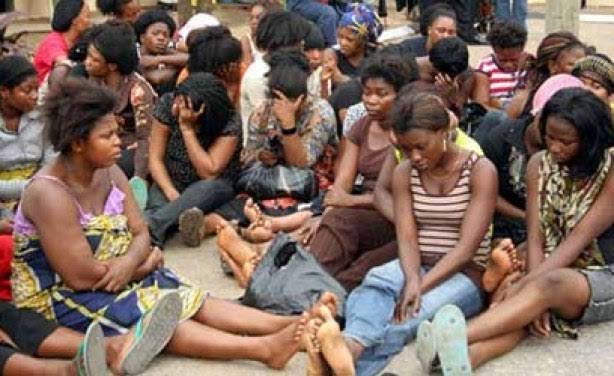
As social media continues to connect millions of people across the globe, it is also creating new opportunities for criminal networks to deceive, recruit and exploit vulnerable individuals.
The growing concern has prompted the National Agency for the Prohibition of Trafficking in Persons, NAPTIP, to intensify awareness campaigns, particularly among young people who are among the most active users of social media platforms.
Speaking during a sensitisation programme at a secondary school in Abeokuta, the South-West Zonal Commander of NAPTIP, Mrs Comfort Adekanmbi, warned students to exercise caution when presented with online opportunities.
According to her, traffickers are increasingly using social media to lure unsuspecting victims through fake job offers, scholarship opportunities, modelling contracts and promises of a better life abroad.
The warning reflects a growing reality in the digital age.
Unlike traditional forms of trafficking where recruitment often occurred through physical contacts, today’s traffickers can reach thousands of potential victims with just a few clicks.
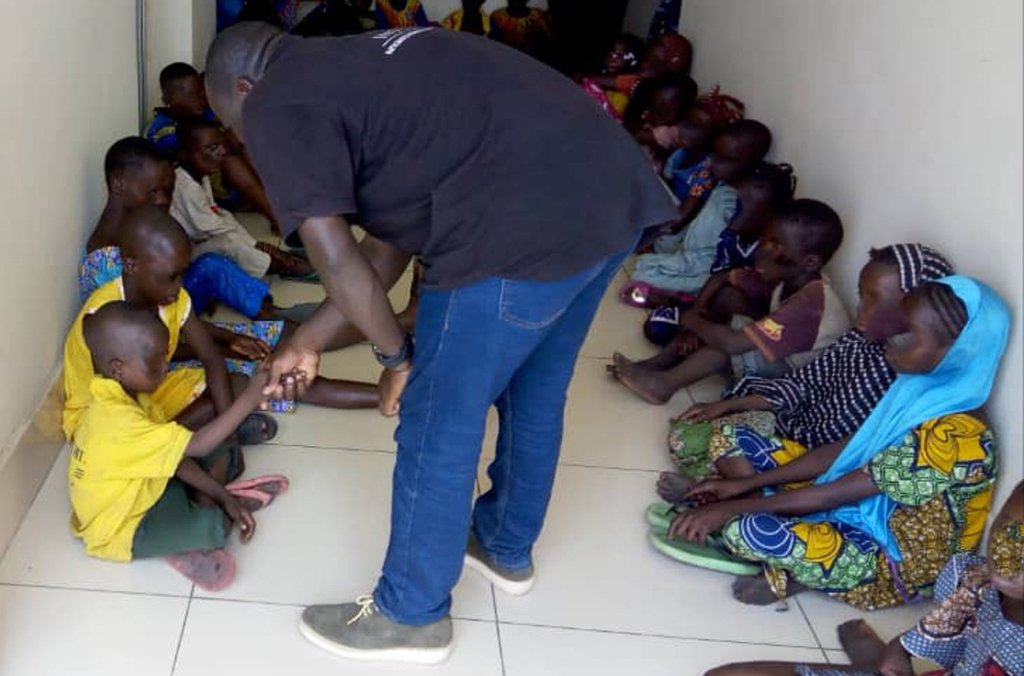
Through fake profiles, fraudulent websites and carefully crafted advertisements, traffickers exploit the hopes and aspirations of young people looking for employment, education and economic advancement.
For many victims, what begins as an exciting opportunity quickly turns into a nightmare.
Some are subjected to forced labour. Others become victims of sexual exploitation or domestic servitude. In many cases, victims discover too late that the promises made online were false.
Economic hardship and unemployment have also contributed to the vulnerability of many young Nigerians.
With thousands seeking jobs and opportunities both within and outside the country, fraudulent recruiters often take advantage of desperation and limited access to verified information.
The widespread influence of social media has further complicated the situation.
Platforms designed to connect people and create opportunities are increasingly being exploited by criminal elements who use anonymity and false identities to target victims.
NAPTIP says awareness remains one of the most effective tools in combating human trafficking.
The agency advises young people to verify any opportunity before responding, avoid sharing personal documents with unknown individuals and seek guidance from parents, teachers or trusted authorities before making major decisions involving travel, employment or education opportunities.
Parents and guardians also have a critical role to play.
Experts say open communication, digital literacy and active monitoring of online activities can help reduce the risk of young people falling victim to traffickers.
Schools are equally encouraged to educate students about online safety and the tactics commonly used by criminal networks.
As technology continues to evolve, so do the methods employed by traffickers.
The challenge for governments, law enforcement agencies, educators and families is to ensure that young people are equipped with the knowledge needed to navigate the digital world safely.
While social media remains a powerful tool for communication, learning and opportunity, authorities warn that not every attractive offer is genuine.
For many young Nigerians, a few minutes spent verifying information could make the difference between a legitimate opportunity and a dangerous trap.
The message from NAPTIP is clear: think before you click, verify before you trust, and report suspicious activities to the appropriate authorities.