


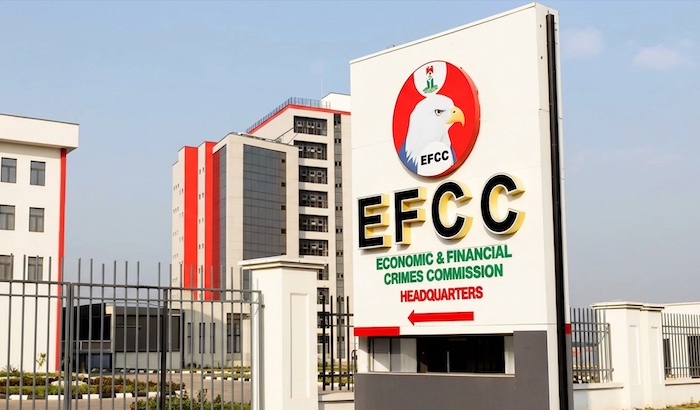
A regional push to fight terrorist financing without crippling legitimate charities took center stage in Abuja this week, as the EFCC called for deeper cooperation between African governments, regulators and civil society groups.
At the 3rd Africa High-Level Civil Society Anti-Money Laundering and Counter-Terrorist Financing Conference, EFCC Chairman Olanipekun Olukoyede, represented by SCUML Director Harry Erin, made the case that FATF Recommendation 8 only works when applied with precision rather than as a blanket rule over the entire non-profit sector.
Terrorist financing, extremism, cross-border organized crime and illicit money flows remain serious threats to peace and development across the continent, Olukoyede said. But he pushed back against the idea that fighting those threats requires treating every charitable organization with suspicion. The real goal of Recommendation 8, he explained, is identifying the specific pockets of the non-profit world vulnerable to abuse, while leaving the majority of legitimate humanitarian and development groups free to operate.
For Olukoyede, the entire framework rests on trust, the kind built slowly through transparency, open consultation and consistent information sharing among regulators, governments, development partners and civil society actors.
He used Nigeria’s own playbook as proof of concept. By bringing together the EFCC, SCUML, the Nigerian Financial Intelligence Unit, the Office of the National Security Adviser, the Corporate Affairs Commission and civil society groups, the country carried out a full terrorist financing risk assessment specific to non-profits. The result was a more surgical regulatory approach, one that targets real vulnerabilities instead of burdening every charity equally. He framed this as the real point of international compliance: not satisfying an external checklist, but building institutions people can trust.
That theme of transformation echoed in remarks from Victoria Ibezim-Ohaeri, Executive Director of Spaces for Change, who noted the conference doubled as a milestone, marking ten years since her organization began pushing for proper implementation of Recommendation 8 in Nigeria. What started as a tense standoff between regulators and civil society, she said, has evolved into genuine partnership, yielding concrete reforms like Nigeria’s standalone non-profit risk assessment and the removal of charities from the reporting obligations under the Money Laundering Act. That track record earned Nigeria a compliant FATF rating, one now being studied by Ghana, The Gambia, Togo and Burkina Faso.
Board Chair Samuel Diminas offered a sobering reminder of the stakes involved, citing an estimated $88 billion drained from Africa each year through illicit financial activity.
The conference’s keynote speaker, UN Special Rapporteur Professor Ben Saul, commended Nigeria’s compliance achievement in late 2025 and voiced support for the National Counter-Terrorism Centre’s ambition to become a regional hub for expertise. He pointed to FATF’s 2023 revision of Recommendation 8, which narrowed the rule’s scope to only those non-profits meeting FATF’s specific criteria, reinforcing that oversight should be proportionate and evidence-based. Too many countries, he warned, still impose excessive registration and reporting burdens rooted in outdated risk data, a pattern that diverts resources from humanitarian work and discourages legitimate charitable activity in the process.