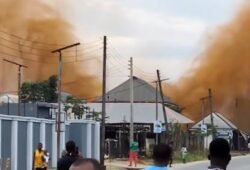


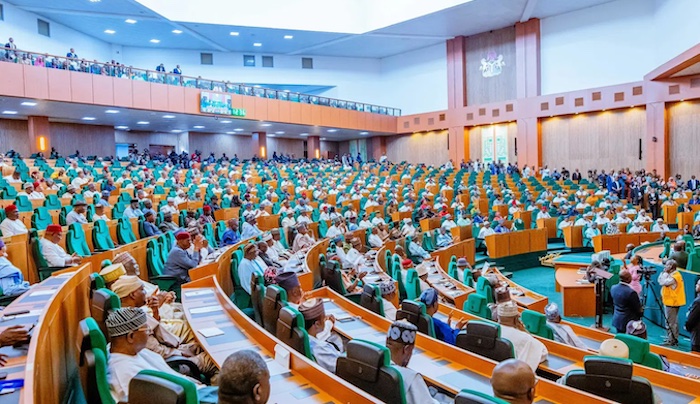
The House of Representatives Committee on the South South Development Commission has criticised the Nigerian Upstream Petroleum Regulatory Commission (NUPRC) and the National Oil Spill Detection and Response Agency (NOSDRA) over what lawmakers described as a slow and inadequate response to the prolonged gas seepage affecting Billy Community in Degema Local Government Area of Rivers State.
The lawmakers expressed concern during an investigative hearing in Abuja, where they examined the environmental, health and economic consequences of the incident, which has persisted for nearly eight months.
Residents of the riverine community have repeatedly complained that the gas seepage has contaminated water sources, polluted the air and disrupted fishing and farming activities, which serve as major sources of livelihood.
Chairman of the committee, Julius Pondi, said the investigation was aimed at determining the causes of the incident, assessing regulatory responses and identifying measures needed to protect affected residents.
He stressed that lawmakers have a constitutional responsibility to ensure that oil and gas operations comply with environmental regulations and international best practices.
The hearing became tense when lawmakers questioned officials over why the source of the seepage had not been identified months after it was first reported.
Representing NOSDRA, Cytrus Nkangwung explained that the incident differed from conventional oil spills because the gas appeared to be naturally bubbling from underground formations rather than leaking from an oil facility.
However, members of the committee expressed dissatisfaction with the explanation.
Chairman of the House Committee on Host Communities, Robinson Dekor, described the situation as unacceptable, lamenting that residents had remained exposed to serious environmental and health risks without a definitive solution.
“People’s lives are at risk. Their livelihoods have been destroyed, yet nobody seems to care,” he said.
Lawmakers also criticised the absence of several key stakeholders, including the Nigerian National Petroleum Company Limited (NNPCL), the Rivers State Government and other relevant agencies.
Responding to concerns, NUPRC officials said preliminary scientific investigations suggested that the gas was naturally migrating from deep underground formations rather than emanating from existing petroleum infrastructure.
Director of Development and Production at NUPRC, Joseph Ogunsola, acknowledged the severe impact on residents and disclosed that humanitarian support, including medical outreach and potable water supply, would begin soon.
He further revealed that authorities were considering the possibility of relocating residents if expert assessments determine that continued habitation poses significant health and safety risks.
Despite these assurances, lawmakers maintained that the prolonged crisis reflected major shortcomings in environmental governance and emergency response mechanisms.
The committee directed absent agencies and operators to appear at subsequent hearings, insisting that immediate relief and stronger regulatory action are necessary to protect affected communities and restore public confidence.
The Billy gas seepage remains one of the most unusual environmental incidents recorded in Nigeria’s oil-producing Niger Delta region, raising fresh questions about regulatory preparedness and environmental safety standards.