

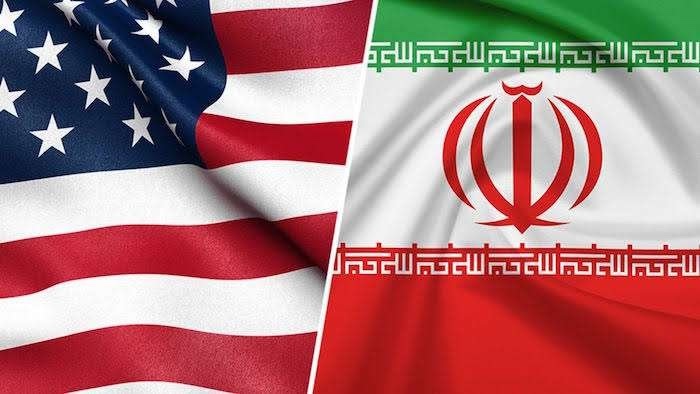
A potential breakthrough in the Strait of Hormuz standoff emerged Sunday, as Iran said it was closing in on an agreement with Oman over a new shipping route through the vital waterway, just hours after President Donald Trump announced the US and Israel would hold off on planned strikes against Iran to give diplomacy another chance.
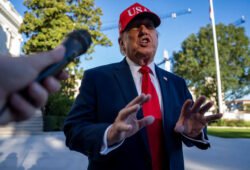
Trump’s decision came after what he described as a request from Iran and other Middle Eastern countries to pause any attack while the outlines of a broader deal were finalized. “We have just been asked by Iran, and other Middle Eastern Countries, to hold off any attack in that the perimeters of a deal has been agreed to,” he wrote on Truth Social, adding that he had agreed to cancel the planned strikes “for the future benefit of the WORLD and, likewise, the survival of a successful and prosperous Iran,” on the condition that a deal could be reached quickly. Iranian media, however, disputed the specific framing that Tehran had requested the pause.
The reprieve follows a tense stretch in a conflict that began on February 28, when the US and Israel launched surprise strikes on Iran, triggering months of intermittent fighting punctuated by brief diplomatic openings. Strikes resumed last month, and fears of further escalation had been building, with Trump threatening to hit Iran “very hard” and reportedly weighing renewed attacks on energy infrastructure, prompting heightened alert status at US embassies across the region. That trajectory shifted following a wave of diplomatic contacts, including a conversation between Trump and Saudi Crown Prince Mohammed Bin Salman.
On the Iranian side, lawmaker Hassan Ghashghavi, spokesman for parliament’s national security commission, said mediators are working to revive the Islamabad memorandum of understanding reached in June, an agreement that was never meant to serve as a final settlement but rather a bridge toward broader negotiations, one that already touched on Hormuz-related provisions. “They know that the main issue and, in fact, the key to the matter right now is the issue of the Strait of Hormuz, so yes, there is an exchange of views,” he said. Iranian President Masoud Pezeshkian struck a more cautious tone on social media, writing that Iran “must strive to compel the enemy to remain committed to what it has signed.”
The strait itself remains the central obstacle in the broader dispute. Before the war, vessels moved through Hormuz freely, but Iran closed the passage once fighting began and has since insisted on retaining control over it, including the right to charge tolls, terms the US has firmly rejected. Trump reiterated that any final agreement would need to include the “Immediate, Complete and Total OPENING OF THE HORMUZ STRAIT, and an end to Iran’s nuclear threat,” tying the maritime dispute directly to Western concerns over Iran’s nuclear program, which Tehran continues to describe as strictly civilian despite persistent accusations to the contrary.
It was precisely this standoff, Iran’s refusal to allow ships anything other than a route hugging its own coastline, that triggered the return to strikes last month. Against that backdrop, Sunday’s announcement from Iranian foreign ministry spokesman Esmaeil Baqaei carried particular significance. Speaking to state television, he said Iran and Oman, which sits on the opposite side of the strait, were nearing agreement on a new route acceptable to both sides. “We are now going to reach an understanding on a route acceptable to both sides — neither the northern route nor the southern route — but one that respects the sovereign rights of both sides and safeguards our national interests and security,” he said, while cautioning that such an arrangement would not amount to a full reopening of the strait.
The practical impact of the standoff is already visible in shipping data. Maritime trade tracking firm Kpler reported Friday that traffic through Hormuz had dropped sharply, underscoring how much is riding on whether the current diplomatic window holds.