


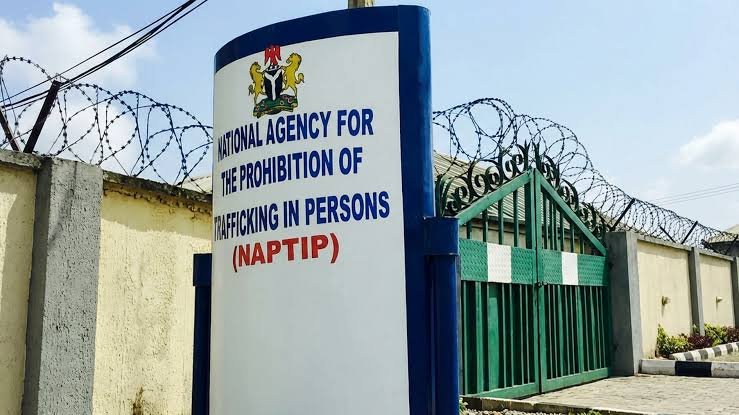
The National Agency for the Prohibition of Trafficking in Persons (NAPTIP) has disclosed that more than 3,000 victims of Sexual and Gender-Based Violence (SGBV) have been rescued across Nigeria in 2026, while over 20 convictions have been secured against offenders.
Head of Press and Public Relations of the agency, Vincent Adekoye, revealed the figures in Abuja, noting that three of the convictions resulted in life imprisonment, with many of the cases involving rape and other serious offences.
According to him, several additional suspects have been arrested and are currently facing prosecution.
As part of efforts to strengthen the fight against SGBV, NAPTIP, in collaboration with the European Union and International IDEA, has launched a specialised media corps aimed at improving public awareness, promoting accountability and supporting enforcement of relevant laws.
The initiative was unveiled during a capacity-building workshop for journalists under the EU Support to End Sexual and Gender-Based Violence programme.
Adekoye said the agency has also deepened collaboration with the Nigeria Police Force, the Nigeria Security and Civil Defence Corps and other relevant institutions to improve prevention, reporting and response mechanisms.
He added that community engagement and the training of frontline responders remain key components of the agency’s strategy to tackle the growing challenge of SGBV.
Gender expert and workshop facilitator, Toyin Adewale-Gabriel, urged journalists to move beyond isolated reporting and consistently highlight issues relating to sexual and gender-based violence.
She stressed the importance of ensuring effective implementation of the Violence Against Persons (Prohibition) Act and called on the media to hold institutions accountable through sustained investigative reporting.
NAPTIP also encouraged media practitioners to adopt survivor-centred reporting approaches that protect the dignity, privacy and safety of victims.
The agency reaffirmed its commitment to strengthening partnerships and adapting to evolving tactics used by perpetrators in order to better protect vulnerable groups across the country.