

The United Nations has appealed to governments and international donors to increase
humanitarian and development assistance for women and girls in Afghanistan, warning that
cuts in foreign aid could worsen an already severe humanitarian and human rights crisis.The call was made by the United Nations Women Special Representative in Afghanistan, Susan Ferguson, who expressed concern over the growing economic hardship, poverty and
social exclusion facing Afghan women under the current circumstances in the country.
According to Ferguson, women and girls in Afghanistan continue to experience increasing
restrictions on their rights and opportunities, while many families struggle with worsening
economic conditions.
She revealed that surveys conducted among women-focused organisations in April showed a
significant rise in economic vulnerability among women. The findings also indicated an
increase in early and forced marriages, which many families reportedly resort to as a coping
mechanism amid financial hardship.
Ferguson noted that Afghanistan’s vulnerability to climate-related disasters and
environmental shocks has further intensified the crisis, placing additional pressure on already
struggling households.
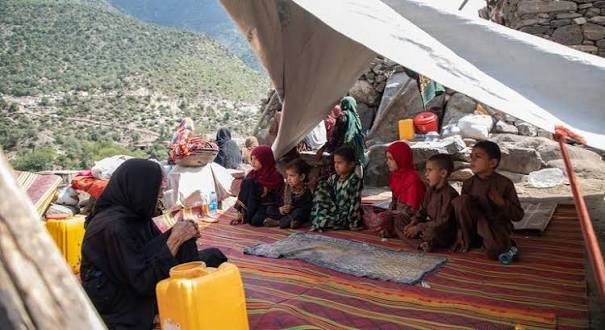
She disclosed that more than 10.7 million Afghan women and girls currently require
humanitarian assistance, while approximately 4.9 million women and children are expected
to need treatment for malnutrition this year.
The UN official described the situation as a troubling contradiction, noting that organisations
providing support to vulnerable women and girls are being forced to do more despite facing
shrinking financial resources.
She warned that continued reductions in international aid could undermine efforts to support
women and girls at a time when their needs are increasing.
Ferguson stressed that five years after the Taliban returned to power, the international
community must not abandon Afghan women and girls. Instead, she argued that greater
investment is needed to ensure they continue to receive education, healthcare, livelihood
opportunities and humanitarian assistance.
According to her, reducing support risks normalising the exclusion of women from public life
and weakening global efforts to protect fundamental human rights.
She maintained that there is nothing normal about preventing half of a country’s population
from participating fully in society and urged governments to remain committed to supporting
Afghan women and girls.
The appeal comes as humanitarian agencies continue to warn that millions of Afghan women
and children remain among the most vulnerable populations in the world.