

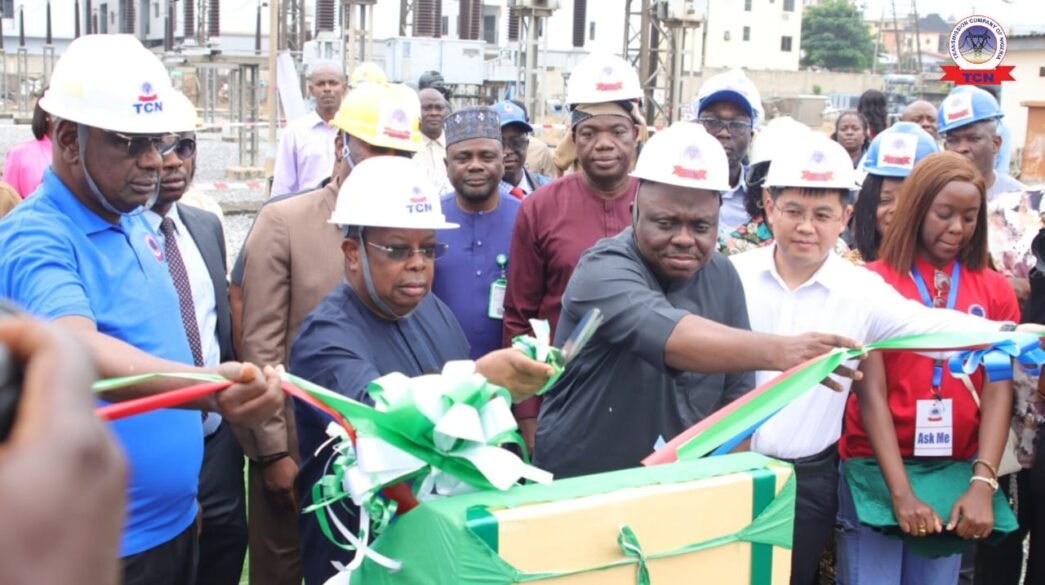
Some of the transmission infrastructure powering Lagos had gone unchanged for more than 25 years before Wednesday’s commissioning of upgraded facilities at four major substations, a gap Minister of Power Joseph Tegbe pointed to directly in explaining why the federal government prioritized the projects. “These infrastructures have been here for over 25 years,” Tegbe said at the ceremony. “What we are doing is commissioning new power transformers in Apapa, Ijora, Alausa and Lekki transmission substations.”
Combined, the four projects add roughly 360 megawatts of transmission capacity, aimed at strengthening bulk power delivery to residential, commercial, and industrial consumers served by both Eko and Ikeja Electricity Distribution Companies.
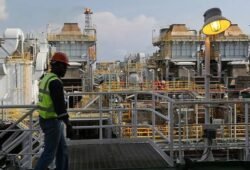
The scale of the upgrades varied by location, but each addressed capacity constraints that had been building for years. At Ijora, two new 100MVA transformers pushed installed capacity from 90MVA to 230MVA, adding approximately 112MW. Apapa Road received two 60MVA transformers along with modern gas-insulated switchgear, raising capacity from 60MVA to 180MVA and contributing about 96MW. At Alausa, an aging 30MVA transformer was swapped out for a 100MVA unit, lifting total capacity from 135MVA to 205MVA, an increase of roughly 56MW that has already raised Ikeja Electricity Distribution Company’s power allocation to 80MW.
The Lekki substation saw the most extensive overhaul, with two 60MVA transformers, one 300MVA transformer, and nine additional 33kV feeders commissioned there. That intervention effectively doubled transformation capacity at the 132/33kV level, from 120MVA to 240MVA.
What those numbers mean in practical terms is where Tegbe placed his emphasis. He said the Alausa upgrade alone has the capacity to serve about 70,000 households, roughly 180,000 people, while the Lekki project is expected to benefit around 100,000 customers, an estimated 400,000 people once fully utilized.
TCN Managing Director Sule Ahmed Abdulaziz credited the World Bank and Japan International Cooperation Agency for supporting the projects financially, with Shanghai Electric handling execution on the ground, a partnership structure that reflects how much of Nigeria’s grid modernization work continues to depend on external financing and technical partners rather than domestic capacity alone.