

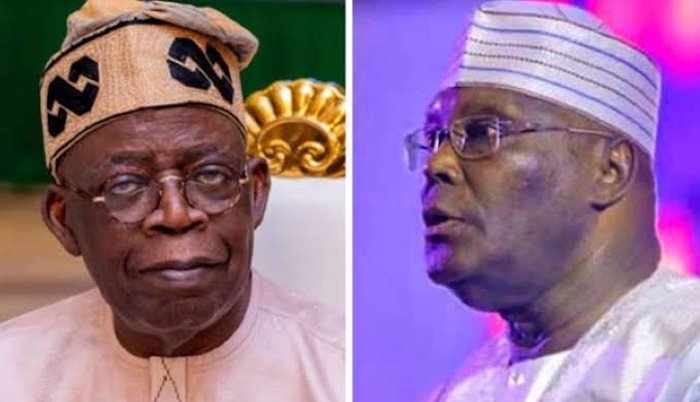
A dispute broke out Wednesday between President Bola Tinubu and ADC presidential candidate Atiku Abubakar, though at its core, the disagreement is less about whether Nigeria needs subsidy support and more about what kind of support actually counts as one.
Atiku’s camp unveiled a new petroleum framework, the Economic Recovery Plan, proposing to replace the country’s old import-subsidy system with a capped, independently audited production subsidy for domestic refiners. In a statement issued by his aide Phrank Shaibu, Atiku argued that Nigeria’s real choice isn’t between subsidy and no subsidy, but between an opaque system prone to waste and a disciplined one built around verification. “We will move subsidy from importation to production, from middlemen to Nigerian refineries, and from unverifiable claims to verifiable barrels,” he said, describing a model where refiners get discounted crude only in exchange for tracked, audited output, with violators losing eligibility and facing prosecution.
Tinubu, responding while hosting Osun Governor Ademola Adeleke at the Presidential Villa, dismissed the proposal outright, calling it “a demonstration of serious ignorance about governance and the economy.” He pointed to the fiscal state he inherited, when he said 27 states couldn’t pay salaries, as justification for the subsidy removal that defined his early presidency, and argued that infrastructure and social investment, not fuel discounts, are what Nigerians actually feel.
The Presidency followed with a sharper statement from Special Adviser Bayo Onanuga, accusing Atiku of reversing a position he once held himself. Onanuga argued that what’s commonly called “subsidy” was never money sitting in reserve for distribution, but rather NNPC absorbing losses by selling fuel below cost, and disputed Atiku’s claim of a N30 trillion subsidy windfall, calling it fictional. “Restoring the old arrangement… would require a clear legal, fiscal and administrative framework,” Onanuga said, warning against policies whose costs surface later as debt or currency pressure.
Atiku, for his part, has pushed back on Tinubu’s own subsidy-removal narrative. He noted that NNPC’s audited accounts still show roughly N4.84 trillion in “Energy Security Expenses” in 2023 and N7.13 trillion in 2024, despite Tinubu’s 2023 declaration that “subsidy is gone.” “You cannot abolish subsidy at Eagle Square and allow subsidy-like costs to resurface in government accounts without explaining the contradiction,” he said, framing his own plan as a transparent alternative built on fixed ceilings, published accounts, and a statutory sunset clause tied to refining capacity growth.
Whether voters read Atiku’s plan as reform or reversal, and Tinubu’s defense as consistency or contradiction, may end up mattering more than the technical mechanics either side is proposing.