

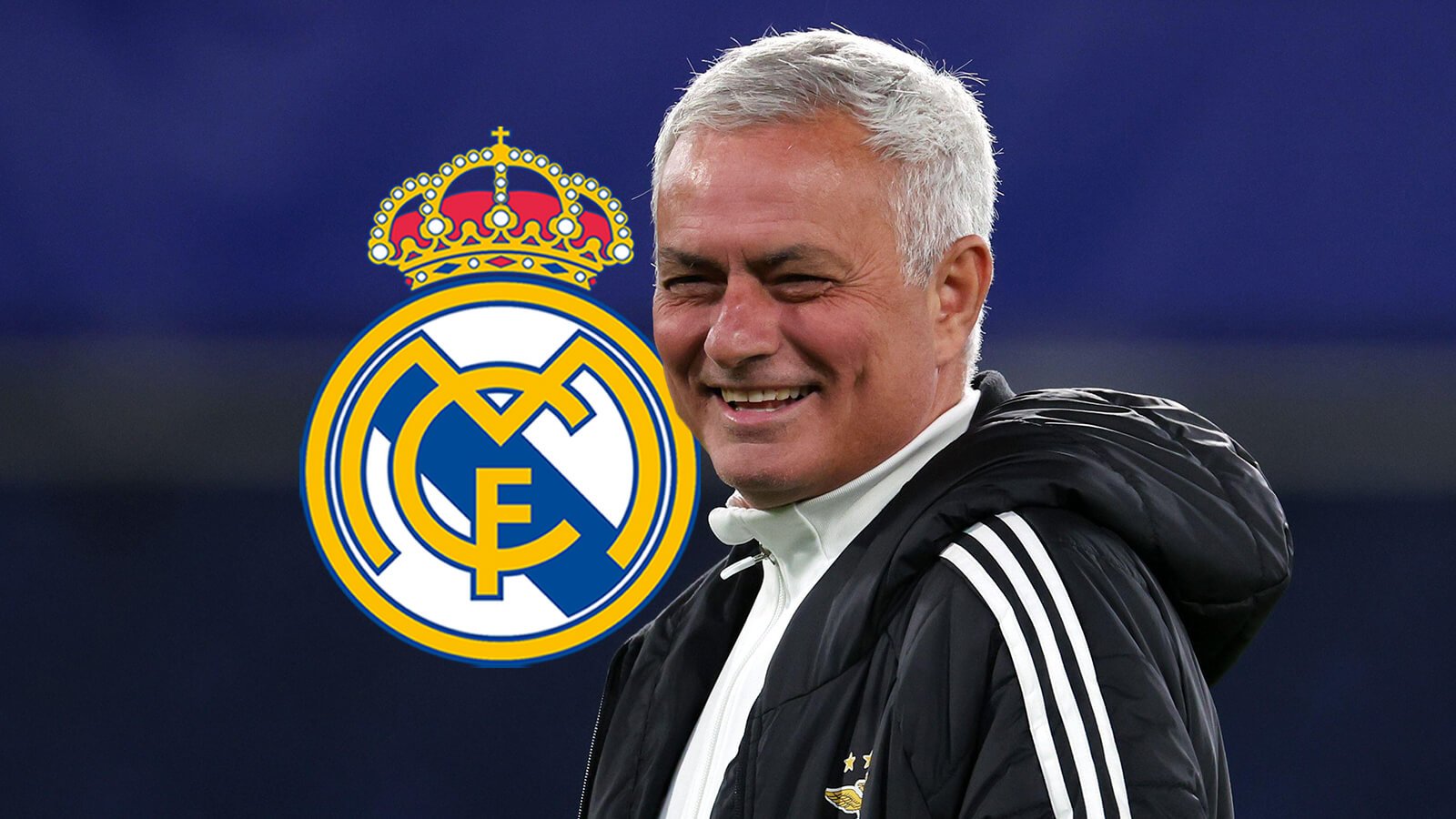
Jose Mourinho’s second spell in charge of Real Madrid begins this weekend away at Espanyol in Barcelona, of all places, though not against Barcelona itself. The fixture is almost incidental to the bigger question hanging over his return and whether he can solve a problem that eluded three different coaches before him. Kylian Mbappe, Vinicius Junior, and Jude Bellingham would be the envy of almost any squad in world football, yet Carlo Ancelotti, Xabi Alonso, and Alvaro Arbeloa all struggled to field the three together without leaving the team exposed defensively.
Mourinho returns 16 years after his first Madrid appointment, tasked once again with knocking Barcelona off their perch, this time under Hansi Flick, after two trophyless seasons convinced president Florentino Perez to bring him back. Whether he can recreate the intensity that defined his first Madrid reign between 2010 and 2013 is one question. Whether he can actually resolve the tactical puzzle that stumped his predecessors may be the more important one.
For his part, Mourinho insists he’s approaching things differently this time around. “I’m much more mature, less emotional, and more in control,” he said this week, while pushing back on the idea that maturity has come at the expense of ambition. From his first days at Valdebebas, he’s been direct about what he wants instilled in the squad. “I am here to create a culture of work, responsibility, ambition,” he said, describing the job in almost missionary terms.
Perez, meanwhile, has backed that mission financially. Madrid’s summer spending included a club-record 140 million euro ($163m) deal for Ivorian winger Yan Diomande, along with the arrivals of Bernardo Silva and Marc Cucurella. Diomande’s arrival adds still more attacking firepower to a squad that already had plenty, which only sharpens the balance question rather than resolving it. Some observers have pointed to Madrid’s decision not to pursue Rodri, who instead joined Barcelona, as a missed opportunity to address central midfield more directly.
That’s where Silva may end up mattering more than his profile suggests. He isn’t a direct replacement for Toni Kroos or Luka Modric, the pair whose control of matches once gave Madrid’s forwards freedom while shielding the defense. But his technical ability gives Mourinho at least one option for addressing a gap that has persisted since their departures, even if it’s not an obvious fix.
Much of this will be tested against the club Mourinho spent his first Madrid spell defining himself against. His rivalry with Pep Guardiola’s Barcelona turned increasingly bitter during that period, marked by touchline flare-ups and accusations of refereeing bias, before Mourinho’s Madrid finally broke Barcelona’s grip on Spanish football with a record 100-point title in 2011-12.
That history doesn’t guarantee anything this time around, but the first real measure of where this Madrid side stands arrives in late October, when they travel to Barcelona for the season’s opening Clasico. Between now and then, starting Saturday at Espanyol, Mourinho has two months to turn a talented, unbalanced squad into something more cohesive.