

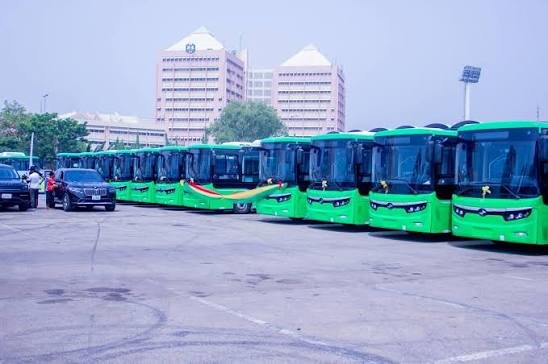
The Federal Government has taken delivery of the first batch of electric vehicles (EVs) designated for civil servants, marking a significant step in its drive to promote cleaner transportation, reduce commuting costs and strengthen Nigeria’s automotive industry.
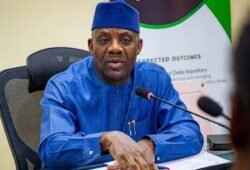
The development was disclosed by the Director-General of the National Automotive Design and Development Council (NADDC), Oluwemimo Joseph Osanipin, after a meeting with President Bola Tinubu at the Presidential Villa in Abuja.
According to Osanipin, the delivery fulfils a promise made by President Tinubu to civil servants and signals the beginning of a broader rollout of electric vehicles across the country. He explained that the initiative is part of the administration’s efforts to encourage the adoption of alternative-energy transportation while creating opportunities for growth within the local automotive sector.
Beyond vehicle deployment, the Federal Government has also begun investing in the infrastructure needed to support electric mobility. Osanipin revealed that electric vehicle charging facilities have already been installed in about 16 universities nationwide to help build the ecosystem required for a successful transition to cleaner transportation technologies.
He noted that government policies promoting electric vehicles and Compressed Natural Gas (CNG) are already attracting private-sector participation. According to him, the number of licensed gas retail companies has increased from about four to 81, reflecting growing confidence in the government’s alternative-energy transportation agenda.
The NADDC boss highlighted the cost-saving potential of CNG-powered transportation, citing examples where fuel expenses for long-distance travel dropped significantly after conversion from conventional fuel to gas-powered vehicles. However, he acknowledged concerns that some transport operators have not yet transferred these savings to passengers through lower fares.
Osanipin said the next phase of the government’s intervention would focus on ensuring that the benefits of reduced transportation costs are felt directly by Nigerians.
The initiative forms part of broader efforts by the Tinubu administration to modernise transportation, reduce dependence on conventional fuel and encourage investments in sustainable energy solutions.