

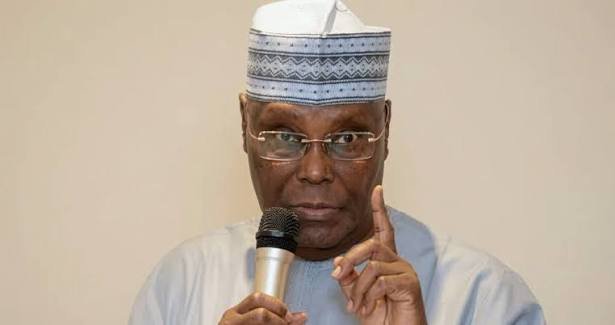
Former Vice President Atiku Abubakar’s pledge to reintroduce a targeted petrol subsidy if elected president in 2027 has generated widespread criticism from the Presidency, the ruling All Progressives Congress (APC), and other political figures, reopening one of Nigeria’s most contentious economic debates.
The controversy followed Atiku’s unveiling of his proposed Atiku Economic Recovery Plan, under which he promised to introduce a limited and targeted subsidy arrangement aimed at supporting domestic refining and reducing the burden of high fuel prices on Nigerians.
Defending his position, Atiku argued that the current administration’s claim of having removed fuel subsidy was difficult to reconcile with the incentives, tax credits and concessions being granted to players in the petroleum sector.
In a statement issued by his Senior Special Assistant on Public Communication, Phrank Shaibu, the former vice president cited figures from the audited accounts of the Nigerian National Petroleum Company Limited (NNPC), claiming that government spending on energy-security expenses suggested that subsidy-related costs had not entirely disappeared.
According to him, his proposal differs from previous subsidy regimes because it would be targeted, transparent and tied to measurable benefits for consumers.
However, the Presidency dismissed the proposal as a political manoeuvre and accused Atiku of reversing a position he strongly supported during the 2023 presidential election campaign.
Special Adviser to the President on Media and Public Communications, Sunday Dare, described Atiku’s latest position as evidence of inconsistency, arguing that it undermines the credibility of his economic agenda.
Similarly, APC National Chairman, Nentawe Yilwatda, criticised the proposal, describing it as a troubling departure from the economic principles Atiku previously championed.
Presidential candidate of the Accord Party, Gbenga Olawepo-Hashim, also questioned the former vice president’s new position, describing him as one of the strongest advocates of subsidy removal in Nigeria’s Fourth Republic.
Hashim argued that Atiku owed Nigerians an explanation for the sudden shift in policy direction.
The renewed debate highlights the continuing political and economic divisions over fuel subsidy removal, a policy that has remained one of the defining issues of President Bola Tinubu’s administration.
With preparations for the 2027 general elections gathering momentum, the issue is expected to remain a major campaign subject among presidential contenders seeking to win public support.