


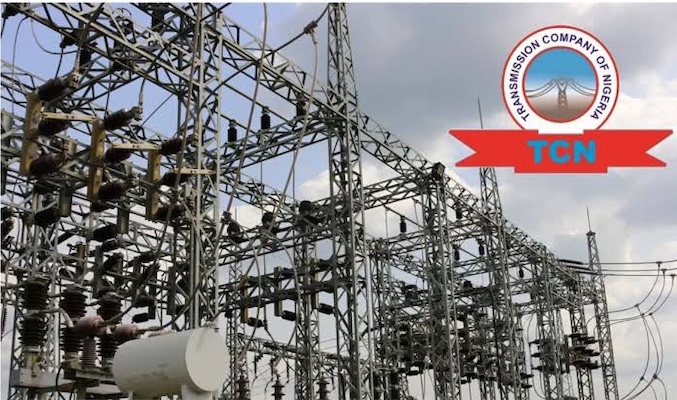
The Transmission Company of Nigeria (TCN) has strengthened the national power grid through investments exceeding $1.4 billion secured from multilateral and development finance institutions, significantly increasing electricity transmission capacity across the country.
TCN disclosed that more than 8,500 megavolt-amperes (MVA) of transformer capacity have been added to the national grid, while the company’s electricity wheeling capacity now stands at 8,700 megawatts (MW).
The revelations were made by the Executive Director of Transmission Service Provider (TSP), Oluwagbenga Ajiboye, during a media workshop for energy correspondents in Keffi, Nasarawa State.
According to Ajiboye, the company recorded a peak transmission of 5,801.84MW on March 4, 2025, alongside a maximum daily energy delivery of 128,370.75 megawatt-hours (MWh), reflecting improved infrastructure and operational performance.
TCN also confirmed the commissioning of 89 new transformers nationwide, including a 300MVA transformer at the Katampe Transmission Substation in Abuja, which increased the facility’s capacity from 450MVA to 750MVA.
Other projects delivered include transformer installations in Abakaliki and Damaturu, as well as new 330kV transmission routes in Edo State under the Benin-Ihovbor and Ihovbor-Ajaokuta power projects.
In Lagos, which accounts for roughly 30 per cent of Nigeria’s electricity consumption, capacity upgrades were carried out at Ijora, Lekki and Agbara transmission stations.
The company acknowledged ongoing challenges, including vandalism, ageing infrastructure, funding limitations and right-of-way disputes. It revealed that 151 vandalism incidents had been recorded and said collaboration with security agencies and host communities was ongoing to protect critical assets.
Meanwhile, the Federal Government disclosed that 668,000 electricity meters have been deployed under the World Bank-supported Distribution Sector Recovery Programme (DISREP), representing about 60 per cent of the meters delivered under the project’s first phase.