


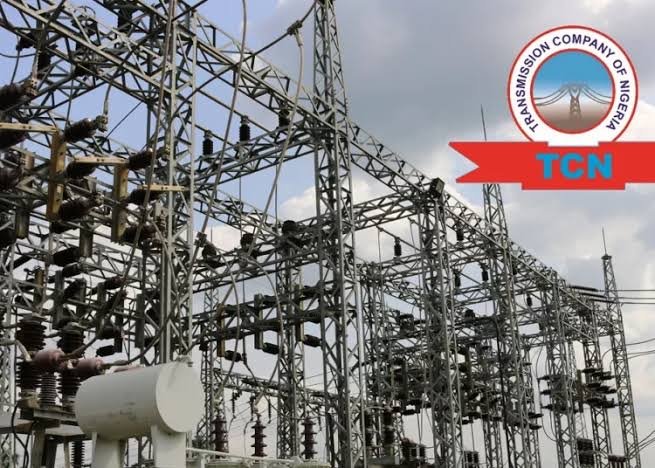
Nigeria’s electricity transmission network is recording a major expansion, with more than $1.4 billion in multilateral and development financing helping the Transmission Company of Nigeria (TCN) add over 8,500 megavolt-amperes (MVA) of transformer capacity to the national grid.
The investment has supported the commissioning of 89 transformers across the country and increased TCN’s electricity wheeling capacity to 8,700 megawatts (MW). The company also recorded a peak transmission of 5,801.84MW on March 4, 2025, while maximum daily energy transmission reached 128,370.75 megawatt-hours (MWh).
TCN’s Executive Director, Transmission Service Provider, Oluwagbenga Ajiboye, disclosed the figures at a media workshop for Abuja energy correspondents in Keffi, Nasarawa State.
According to the company, the additional capacity has improved bulk power delivery to distribution load centres, eased loading constraints and provided greater redundancy across the transmission network.
Several major projects have contributed to the expansion. In Abuja, TCN commissioned a 300MVA, 330/132kV transformer at the Katampe Transmission Substation in May 2026, raising the facility’s capacity from 450MVA to 750MVA.
Other projects include a 75MVA transformer at the Mile 50 Abakaliki Transmission Substation and a 60MVA mobile transformer at Damaturu. In Edo State, two additional 330kV transmission routes covering 40 kilometres were also commissioned to strengthen power evacuation from the Niger Delta generation corridor.
Lagos, which TCN said accounts for about 30 per cent of national electricity offtake, has also received capacity upgrades at Ijora, Lekki and Agbara.
The expansion is being supported by development partners including the World Bank, African Development Bank, Japan International Cooperation Agency and Agence Française de Développement. TCN said preventive maintenance had also been carried out on more than two-thirds of its substations and transmission lines in 2026.
However, the company acknowledged that vandalism, ageing infrastructure, funding and liquidity constraints, right-of-way disputes, rising demand and project execution continue to threaten the gains. TCN recorded 151 vandalism incidents and said it recovered 12 tower members and angle irons during a July theft attempt.
Meanwhile, the Federal Government is also addressing the distribution end of the electricity chain. The Bureau of Public Enterprises said 668,000 electricity meters had been installed out of 1.033 million delivered under Phase One of the $500 million World Bank-financed Distribution Sector Recovery Programme.
BPE Director General, Ayodeji Gbeleyi, said the deployment was intended to reduce estimated billing and close Nigeria’s metering gap.
He also disclosed that 17 states had established electricity regulatory commissions since April 2024 under the Electricity Act.
The developments come as the government seeks to tackle longstanding weaknesses across the power sector, including inadequate investment, gas shortages, ageing infrastructure, commercial losses and liquidity constraints.
Power Minister Joseph Tegbe said government agencies were working collaboratively to ensure Nigerians derive greater value from electricity and other critical sectors of the economy.