

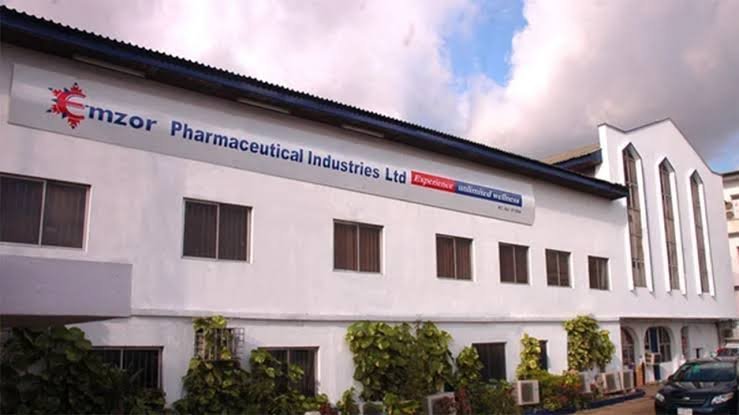
Nigeria’s pharmaceutical manufacturing industry could be set for deeper local production as Emzor Pharmaceutical Industries raises N26.7 billion through a fixed-rate bond to expand its operations and complete what is described as West Africa’s first full-scale anti-malarial Active Pharmaceutical Ingredient (API) manufacturing facility.
The five-year bond, valued at $19.8 million, was issued through Emzor Pharma Funding SPV Plc on the FMDQ Group Exchange at a 19 per cent coupon.
The transaction forms part of Emzor’s broader N40 billion bond programme and marks the company’s second domestic bond issuance. Strong investor interest resulted in the offer being oversubscribed.
Emzor said the proceeds would be used for working capital, manufacturing expansion and the completion of its API production facility.
The API project is particularly significant because pharmaceutical manufacturers across Africa remain heavily dependent on imported active ingredients. APIs are the substances in medicines responsible for producing their therapeutic effects and represent a critical part of the pharmaceutical supply chain.
Much of the global production of pharmaceutical ingredients is concentrated outside Africa, leaving local manufacturers vulnerable to international supply disruptions, foreign exchange shortages and exchange-rate fluctuations.
Producing APIs locally could therefore reduce some of those vulnerabilities by giving Nigerian manufacturers greater access to essential pharmaceutical inputs within the country.
The move could also support Nigeria’s broader push to reduce dependence on imported medicines and strengthen domestic manufacturing capacity.
Emzor’s investment comes as the company seeks to expand beyond the production of finished medicines and take a larger role in the pharmaceutical value chain.
Founded in Lagos in 1977 by pharmacist Stella Okoli as a small chemist shop, Emzor has grown into one of Nigeria’s major pharmaceutical manufacturers, with more than 120 medicines spanning 16 therapeutic categories.
The company’s latest financing provides additional resources for that expansion, particularly at a time when manufacturers face rising production costs and difficulties accessing foreign exchange for imported raw materials.
The anti-malarial API plant is expected to become a major component of Emzor’s manufacturing strategy once completed. Its operation would potentially allow the company to produce critical pharmaceutical ingredients domestically rather than relying entirely on international suppliers.
Beyond Emzor itself, the project could have wider implications for Nigeria’s pharmaceutical ecosystem. Greater local production of APIs could create opportunities for supporting industries, improve supply-chain resilience and encourage additional investment in pharmaceutical manufacturing.
The bond also demonstrates the growing role of Nigeria’s domestic capital market in financing industrial expansion.
For Emzor, the successful fundraising represents more than another source of capital. It provides financing for a transition from a company primarily focused on finished medicines towards deeper participation in the production of the ingredients that make those medicines possible.
If successfully completed and operated at scale, the API facility could strengthen Nigeria’s capacity to produce essential medicines locally while reducing some of the external pressures that have long affected the country’s pharmaceutical supply chain.