


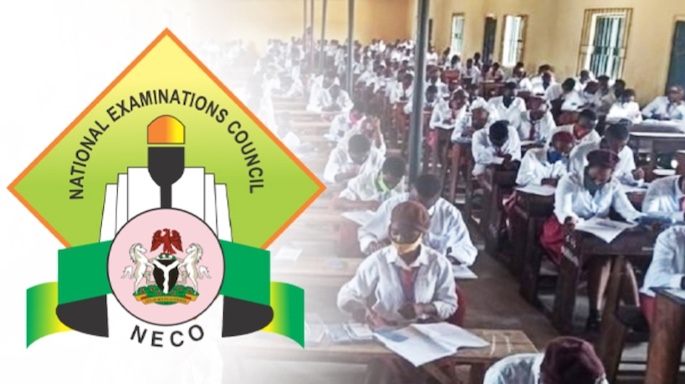
Nigeria’s education authorities have raised fresh concerns over examination malpractice after the Minister of Education, Dr Tunji Alausa, disclosed that some National Examinations Council (NECO) questions were allegedly sold for as little as N3,000 before candidates sat for the examinations.
Alausa made the revelation on Thursday during a meeting with the National Association of Proprietors of Private Schools and other stakeholders, where he described the scale of examination malpractice in the country as “mind-boggling.”
According to the minister, the problem extends beyond students who cheat during examinations, involving a wider network of individuals within the education system who may facilitate the leakage or circulation of examination materials.
He recalled that, at one point, candidates seeking leaked NECO questions could allegedly obtain them for N3,000 before the examination. The minister referred to a former NECO registrar, Professor Godswill Obioma, in recounting his experience with the issue, describing the alleged process through which examination questions were obtained.
Alausa also recounted the pressure he faced during the 2025 examination period, when questions were allegedly sent to him before candidates had taken the papers.
He said officials would verify the materials with examination authorities and, on some occasions, receive confirmation that the leaked questions were in fact those scheduled for the day.
The minister argued that such practices create a particularly damaging cycle. Students who genuinely prepare for examinations can be placed at a disadvantage, while those who obtain leaked materials gain an unfair advantage. Over time, he warned, even students who initially reject malpractice could feel compelled to participate simply to remain competitive.
Alausa therefore urged parents, teachers, school proprietors, principals, invigilators and students to recognise their collective responsibility in protecting the integrity of public examinations.
He said students should not be regarded as the only source of the problem, arguing that adults within the education ecosystem are often in a stronger position to prevent malpractice or facilitate it.
The government, he said, would continue tightening measures designed to ensure that examination results reflect genuine academic achievement.
Minister of State for Education, Prof. Suwaiba Ahmad, similarly called on private school proprietors and other stakeholders to support the reforms. She explained that stronger examination controls could expose differences between students’ apparent performance and their actual level of preparation.
Ahmad said the use of serialised examination questions was among the measures being introduced to make it more difficult for candidates to rely on leaked materials.
The broader objective, she said, is to restore confidence in Nigeria’s examination system and ensure that academic qualifications remain a credible reflection of knowledge, preparation and merit.