The Human Rights Writers Association of Nigeria has criticised the Federal Government’s decision to permanently rule out a return to the petrol subsidy regime, arguing that the policy has placed an excessive burden on citizens and warrants continued public debate.
In a statement by its National Coordinator, Emmanuel Onwubiko, HURIWA described the removal of the petrol subsidy as unconstitutional and harmful to Nigerians, while rejecting the Presidency’s position that there would be no reversal of the policy.
The rights group argued that the government could not use the declaration of “no going back” to close discussions on a policy with significant consequences for the livelihoods of Nigerians.
HURIWA maintained that Nigerians did not give broad-based consent to the subsidy removal before President Bola Tinubu announced the policy on May 29, 2023. It said subsequent increases in the prices of petrol, diesel and cooking gas had contributed to worsening inflation and reduced citizens’ purchasing power.
“Government cannot continue to impose unbearable energy costs on Nigerians while claiming that the subsidy debate is permanently settled,” the association said.
While acknowledging the Federal Government’s argument that subsidy removal had freed substantial resources for other priorities, HURIWA questioned whether ordinary Nigerians had benefited sufficiently from the savings generated by the policy.
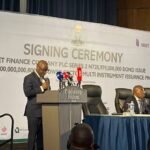
The group cited the Minister of Finance, Taiwo Oyedele, as saying that the subsidy removal generated N15.8 trillion between June 2023 and December 2025.
However, HURIWA argued that the reported savings should be subjected to greater public scrutiny, particularly regarding how the funds had been applied and the extent to which Nigerians had benefited from them.
Former Vice President Atiku Abubakar also called for greater transparency over the financial implications of the subsidy removal.
Speaking through his Senior Special Assistant on Public Communication, Phrank Shaibu, Atiku urged the Federal Government to account fully for revenues, savings and deductions recorded since the policy was introduced.
The call comes amid continued concerns over the cost of petroleum products and their wider impact on transportation, food prices and household expenses. Atiku noted that Nigerians were now purchasing petrol at N1,470 per litre and above.
The debate over subsidy removal remains closely linked to the government’s economic reform agenda, with officials defending the policy as necessary for reducing fiscal pressure, while critics continue to question its impact on living standards.