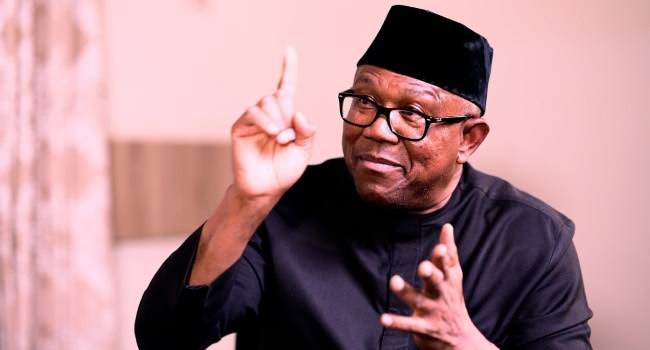
The Anambra State Government has challenged long-standing claims that former Governor Peter Obi left office without debt, reigniting debate over the state’s financial records and the burden inherited by successive administrations.
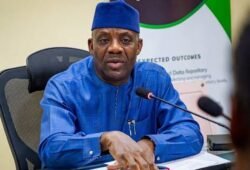
The controversy followed a statement by the Commissioner for Information and Value Reorientation, Dr Law Mefor, who said the Obi administration left behind significant financial obligations, including outstanding loans, salary arrears, pensions and gratuities that later governments had to address.
According to Mefor, the administration of Governor Chukwuma Soludo has continued servicing debts linked to previous governments while also settling inherited obligations owed to retired workers. He disclosed that the current government had cleared about N22 billion in outstanding gratuities accumulated over the years.
The commissioner cited figures from the Debt Management Office, stating that loans attributed to the Obi administration stood at N127.4 billion as of June 30, 2026. He noted that the state continues to make monthly payments running into hundreds of millions of naira to service the debts.
Mefor argued that borrowing is not inherently negative if the funds are channelled into productive projects capable of stimulating economic growth and improving public welfare. He maintained that investments in infrastructure and human capital development often require financing and should be assessed based on their long-term benefits.
“He should stop being irked as if all debt is bad,” Mefor said while defending the state government’s position on responsible borrowing.
The remarks add a new dimension to discussions surrounding Obi’s tenure, which has frequently been highlighted by supporters as a model of fiscal prudence. The former governor has often been credited with leaving substantial savings and investments for the state at the end of his administration.
However, the latest comments from the Anambra Government suggest that questions remain over the full financial picture inherited by subsequent administrations.
The debate comes at a time when public scrutiny of government finances has intensified nationwide, with citizens increasingly demanding transparency on debt accumulation, expenditure and fiscal management.
As political conversations ahead of the 2027 elections continue to gather momentum, the differing narratives over Anambra’s financial history are likely to remain a subject of public and political interest.