The Federal Government has confirmed that it has formally responded to a petition filed by the Nigeria Labour Congress (NLC) before the International Labour Organisation (ILO), while signalling that discussions on a new minimum wage framework may soon gather momentum.
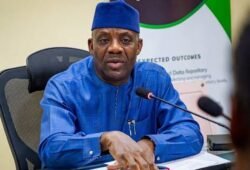
The disclosure was made by the Permanent Secretary of the Federal Ministry of Labour and Employment, Dr Kamil Shoretire, during a training workshop for labour correspondents in Abuja.
According to Shoretire, the government met the September 1 deadline set by the ILO to provide its response to concerns raised by organised labour regarding alleged anti-labour practices and violations of workers’ rights.
The petition was submitted by the NLC during the last International Labour Conference, where the labour union accused the government of actions it said undermined the rights of workers to organise and engage in collective bargaining.
The union also alleged that some labour leaders had faced intimidation, victimisation, threats and assault in the course of carrying out union activities.
Addressing the concerns, Shoretire said the Federal Government had complied with the ILO’s request for clarification and remains committed to maintaining constructive engagement with organised labour and international labour institutions.
He further disclosed that although no official timetable has been announced for fresh minimum wage negotiations, preliminary discussions are already taking place behind the scenes.
According to him, the government is accelerating collective bargaining processes in key sectors such as health and education to ensure that any agreements reached can be accommodated in the next fiscal budget.
The Permanent Secretary also dismissed reports suggesting that the wage award currently being paid to workers had been discontinued, insisting that the intervention remains in place.
He added that the government is considering additional measures aimed at easing economic pressures on workers and citizens, with further announcements expected in the coming weeks.
Labour issues have remained a major subject of national debate amid ongoing economic reforms, rising living costs and concerns over workers’ welfare.
The possibility of fresh minimum wage discussions is therefore expected to attract significant attention from labour unions, employers and policymakers seeking to balance worker welfare with broader economic realities.
Observers note that the outcome of the government’s engagement with the NLC and the ILO could influence future labour relations and shape discussions on wages, working conditions and collective bargaining rights in Nigeria.
As consultations continue, stakeholders will be watching closely for concrete steps toward resolving outstanding concerns and strengthening dialogue between government and organised labour.