Nigerian entrepreneurs are seeking technology, manufacturing partnerships and knowledge transfer from Malaysian businesses as they explore ways to strengthen local production and develop new value chains in Nigeria.
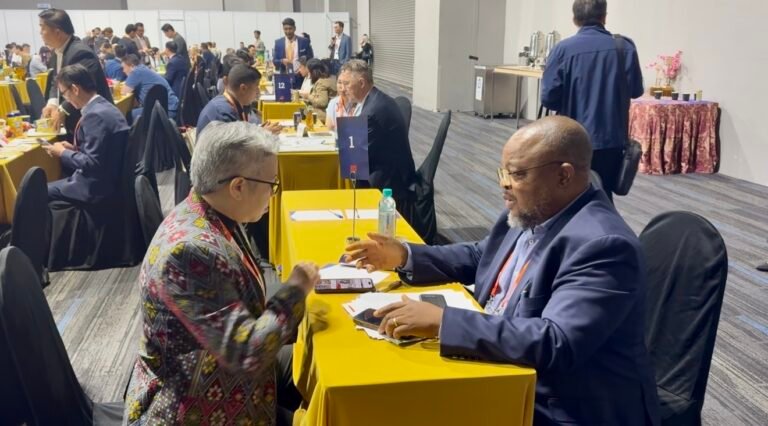
The entrepreneurs spoke in separate interviews with the News Agency of Nigeria (NAN) on the sidelines of the 2026 Malaysia International Halal Showcase (MIHAS) in Kuala Lumpur.
Their areas of interest include palm oil processing, manufacturing, hospitality, food production and business-to-business partnerships.
Chief Executive Officer of Michelle & Anthony Consulting, Mr Victor Ajulo, said he was particularly interested in Malaysian technology that could support Nigeria’s palm oil value chain.
Ajulo said he was exploring modern palm oil processing and refining technology, noting that Malaysian expertise could help Nigeria transform crude palm oil into higher-value products.
He also identified training and skills development as areas where Nigeria could benefit from partnerships with Malaysian institutions.
According to him, collaboration in education and vocational training, particularly in hospitality and related sectors, could help improve service standards while creating employment opportunities.
For Mr Noah Ibitoye, Chief Executive Officer of ZyNooh Store in Nigeria, the focus is on bringing Malaysian manufacturing capabilities directly to Nigeria.
“What I’m hoping is that they can come to Nigeria and establish the manufacturing company in Nigeria,” Ibitoye said.
He said his interests included products such as liquid soap and cosmetics, adding that local manufacturing could increase the use of Nigerian raw materials.
“We are sending analysis, everything to them. We are working so that we can get the local material in Nigeria to provide,” he said.
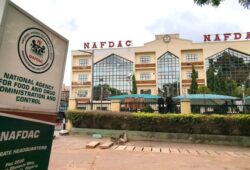
Ibitoye said he had also been engaging with the National Agency for Food and Drug Administration and Control (NAFDAC) on regulatory requirements for some of the products.
He added that visiting Malaysian factories had exposed him to production systems and technologies that could potentially be adapted to the Nigerian market.
Mrs Queen Ouserigha, Lead Consultant at Cura Consult Ltd., said Nigeria could also learn from the business-matching model used at MIHAS.
“Imagine we do that in Nigeria. For all those producing sesame seeds, for instance, we find international buyers. Match them like this,” she said.
Ouserigha, who said she had attended MIHAS several times, disclosed that she had established business connections with Malaysian companies and was working with some partners on manufacturing and certification-related opportunities in Nigeria.
She encouraged Nigerian businesses to study Malaysia’s production systems and adapt relevant practices to local conditions.
“These people are ahead of us. There’s nothing wrong in learning,” she said.
She also said MIHAS should be seen as more than an exhibition, describing it as a platform that connects buyers with manufacturers capable of meeting specific market requirements.
The 22nd edition of MIHAS, holding from September 23 to September 26, brings together Malaysian exporters, international buyers and industry stakeholders across the halal economy.
The showcase provides opportunities for business matching, technology exposure and partnerships in areas including food and beverages, specialised ingredients, biotechnology, Islamic finance, logistics and education.