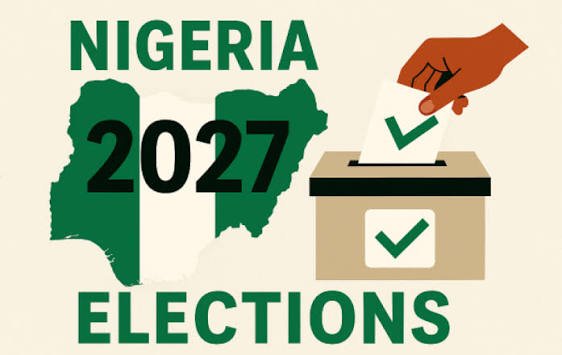
The next presidential election may still be months away, but Nigeria’s political engine is already running at full speed.
Across the country, political parties are reorganising, candidates are positioning themselves, voters are registering, and electoral authorities are testing new systems aimed at improving the credibility of future elections.
To many Nigerians, 2027 may seem distant.
To politicians, it has already arrived.
The signs are everywhere.
From governorship elections and bye-elections to voter registration exercises and presidential declarations, recent developments suggest that the road to Nigeria’s next general election is well underway.
Elections Never Really End in Nigeria
One of the unique realities of Nigeria’s democracy is that election seasons rarely end.
Almost immediately after one election cycle concludes, preparations for the next begin.
Following the 2023 general elections, attention gradually shifted to off-cycle governorship contests, legal battles, party restructuring and electoral reforms.
By 2026, political conversations had become increasingly centred on 2027.
Political parties have spent the past months rebuilding structures, settling internal disputes and preparing for what is expected to be another fiercely contested election cycle.
Osun: The Election That Tested Political Strength
One of the most closely watched elections this year was the Osun governorship election.
The contest drew national attention because it was widely viewed as an important political indicator ahead of the 2027 general elections.
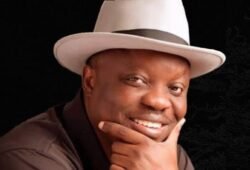
Incumbent Governor Ademola Adeleke sought another mandate while opposition parties attempted to challenge his administration. The election became one of the most significant political contests of 2026, attracting interest far beyond Osun State.
As with many elections in Nigeria, the campaign period featured debates over governance, development, party loyalty and political performance.
Beyond determining who would govern Osun, the election offered political parties an opportunity to test their popularity, organisational strength and voter mobilisation capacity ahead of larger contests.
INEC’s Next Big Test
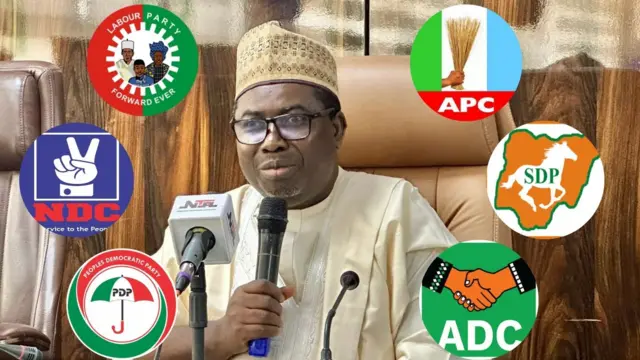
While politicians are campaigning, the Independent National Electoral Commission (INEC) has been preparing for what may become its biggest electoral test yet.
INEC has identified voter apathy, misinformation and declining public trust as major threats to future elections. The commission has also continued efforts to improve electoral technology, including enhancements to voter registration systems and result management platforms.
One notable development is the expansion of voter registration.
According to INEC, more than 10 million new registrations were recorded through recent Continuous Voter Registration exercises, bringing the national voter register closer to the 100 million mark. This represents one of the largest voter databases on the African continent.
The commission has also announced bye-elections in several constituencies, providing another opportunity to assess electoral preparedness before the nationwide polls. These elections are often viewed as smaller tests of voter behaviour, logistics and political mobilisation.
The Emerging Presidential Field
Although party primaries are still ahead, public attention is increasingly turning to potential presidential contenders.
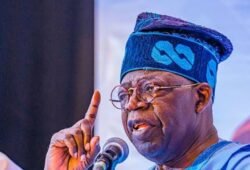
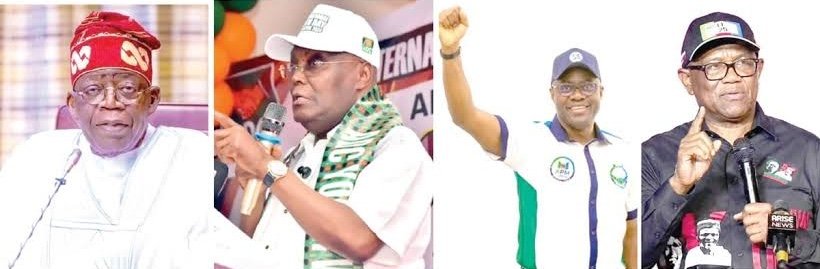
President Bola Tinubu is expected to seek re-election under the platform of the All Progressives Congress (APC). Opposition figures including former Vice President Atiku Abubakar and former Anambra State Governor Peter Obi have remained prominent voices in national political discussions.
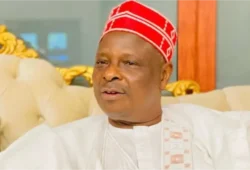
Other political figures continue to feature in coalition discussions and party consultations as political alignments evolve ahead of the election season.
At this stage, much of the political activity remains focused on positioning, consultations and alliance-building rather than formal campaigns.
Beyond the Presidency
While national attention often focuses on the presidential race, governorship contests remain equally important.
Governors control significant resources, influence political structures and often play crucial roles in determining party strength at the grassroots level.
Several states are already witnessing increased political activity as parties prepare for future governorship elections and leadership transitions.
Political observers note that performances in state elections frequently shape momentum heading into national contests.
The Voters Who May Decide Everything
Perhaps the most important factor heading into 2027 is neither technology nor political parties.
It is voter participation.
INEC has repeatedly highlighted voter apathy as a growing concern. In recent elections, many registered voters failed to cast their ballots despite widespread political engagement on social media and traditional platforms.
The challenge for political parties may not simply be convincing Nigerians whom to support.
It may be convincing them to vote at all.
This reality has become increasingly significant given Nigeria’s youthful population and the growing influence of first-time voters.
The Long March to 2027
Nigeria’s next general election is scheduled for January 2027, with governorship and state assembly elections following shortly after.
Between now and then, Nigerians can expect more declarations, more campaigns, more political alliances and more debates over the future direction of the country.
What is already clear is that the journey has begun.
The recent elections, voter registration exercises, party activities and electoral preparations are all pieces of a much larger story.
A story that will ultimately culminate in another opportunity for millions of Nigerians to choose their leaders.
For now, the ballots may still be months away.
But across Nigeria’s political landscape, the countdown to 2027 is already ticking.