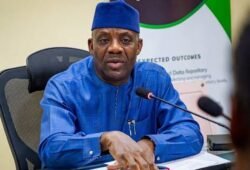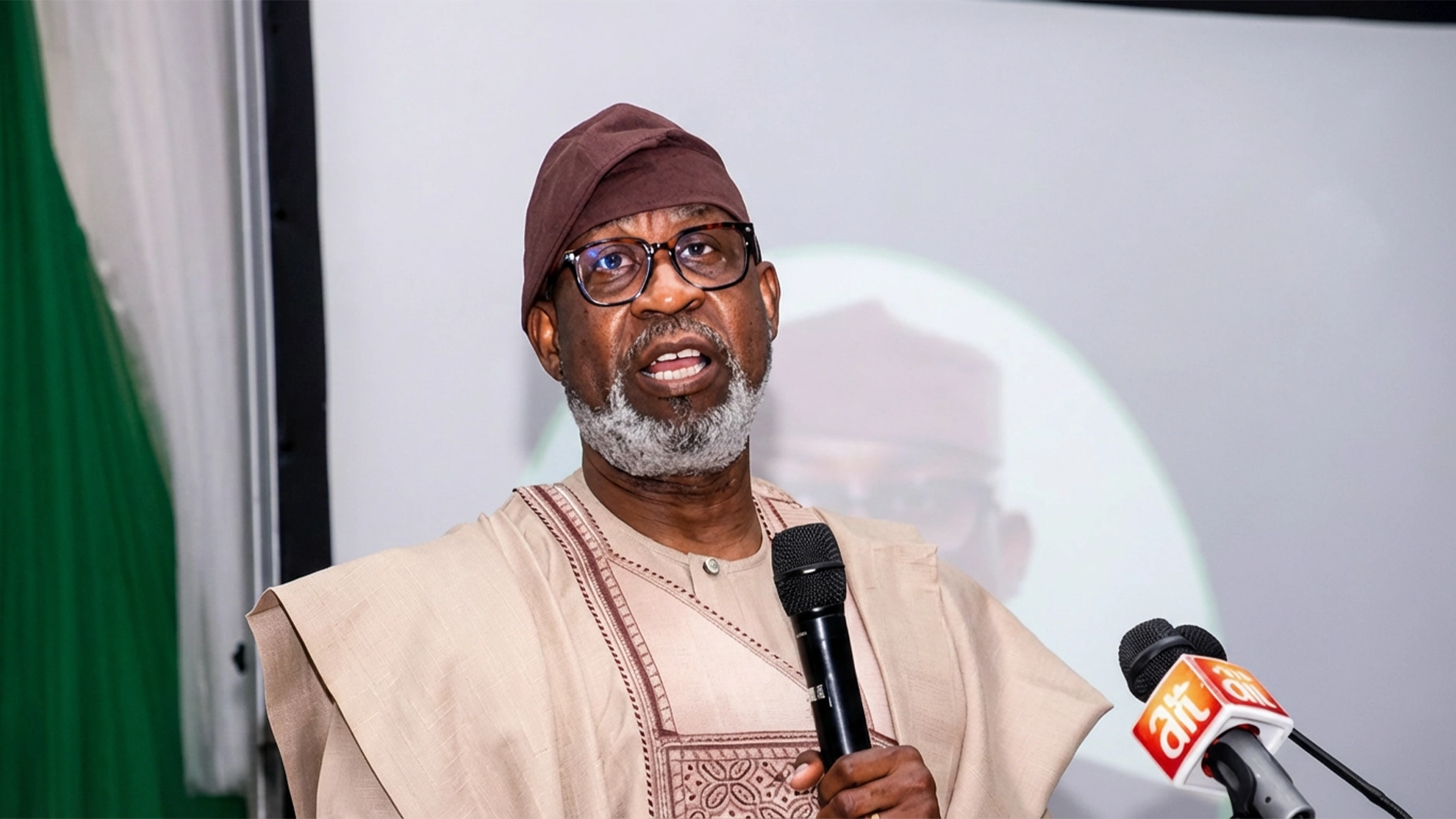
As Nigeria’s Minister of Solid Minerals Development, Dr. Dele Alake has become one of the most influential figures in the country’s economic transformation agenda. Yet, long before he emerged as a key player in government, he had already built a reputation as a journalist, pro-democracy advocate and political strategist whose influence has spanned several decades.
As he marks his 70th birthday, tributes continue to pour in for a man many associates describe as disciplined, deliberate and deeply committed to public service. Alake’s career trajectory reflects an uncommon ability to navigate different sectors while maintaining relevance and impact.
His professional journey began in the media industry, where he honed his skills in communication, public engagement and leadership. He worked with Ogun State Radio before moving to the Lagos State Broadcasting Corporation and later played a role in the establishment of Lagos Television, LTV 8. Those early experiences exposed him to the demands of public communication and laid the foundation for his future roles in politics and governance.
Alake’s profile rose significantly during his time at Concord Newspapers, particularly during the turbulent political era that followed the annulment of the June 12, 1993 presidential election. Like many journalists and democracy activists of that period, he became closely associated with the struggle for democratic governance and paid a price for opposing military rule.
It was also during those years that his relationship with President Bola Tinubu developed. Political observers often point to their shared experiences during the pro-democracy movement as the basis of a partnership that has endured for decades.
Following Nigeria’s return to democratic rule in 1999, Alake became one of the influential voices within Tinubu’s political circle. His background in journalism and strategic communication enabled him to shape political messaging and public engagement efforts that would later define several electoral campaigns and government programmes.
His current assignment in the solid minerals sector has further expanded his profile. Since assuming office, the ministry has intensified efforts to curb illegal mining, improve regulatory compliance and attract investment into the sector. One of the major initiatives introduced under his leadership was the deployment of Mining Marshals to combat illegal extraction activities across the country.
The ministry has also pursued policies aimed at increasing local processing of mineral resources rather than exporting raw materials. Industry stakeholders say the push has encouraged investment in lithium processing facilities and other value-addition projects in different parts of the country.
Recent government figures indicate that revenue generation in the sector has risen significantly within the last two years, reflecting growing interest in Nigeria’s vast mineral resources.
In September 2026, Alake signed a cooperation framework with the United States to deepen collaboration in mineral exploration, processing, infrastructure development and technical capacity building. The agreement is expected to support efforts to unlock the economic potential of Nigeria’s vast mineral deposits.
For many who have followed his journey, Alake’s career represents a blend of journalism, activism, politics and governance. At 70, he remains one of the prominent figures shaping conversations around economic development and resource management in Nigeria.