The Federal Government has announced the clearance of pension liabilities dating back nearly two decades, disbursing N758 billion through a special intervention designed to settle outstanding obligations owed to retirees.
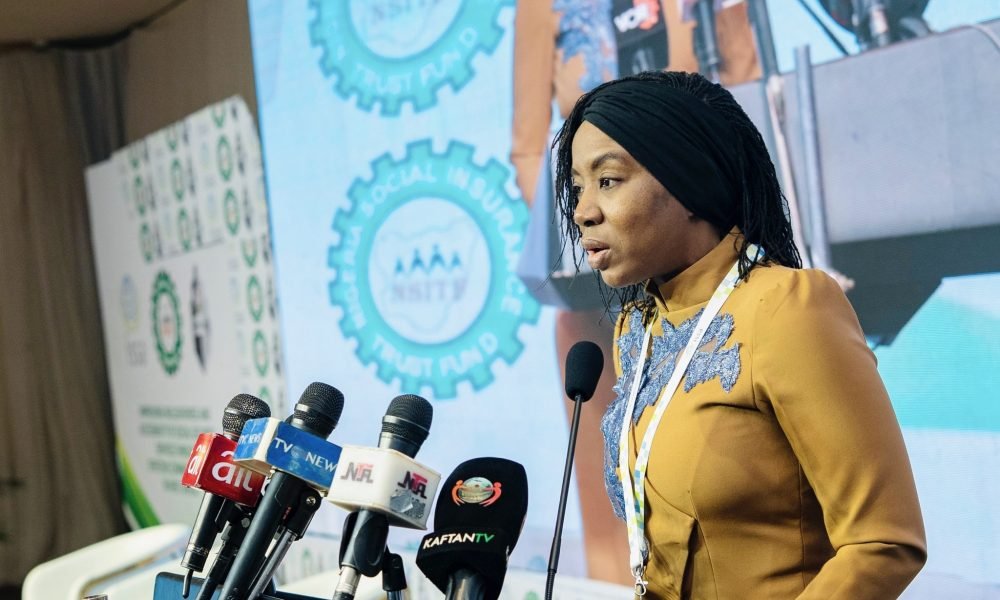
The development was disclosed by the Director-General of the National Pension Commission, Omolola Oloworaran, during the 2026 PenCom Media Conference held in Lagos.
According to her, the intervention has provided relief to 957,045 beneficiaries and marks the resolution of pension obligations that accumulated across several administrations since 2007.
She described the move as a major milestone in the government’s efforts to restore confidence in Nigeria’s pension system and ensure that retirees receive benefits due to them.
Oloworaran noted that the payment was made through an intervention bond approved to address longstanding pension arrears that had remained unresolved for years.
Beyond clearing inherited liabilities, she revealed that accrued pension rights for federal workers expected to retire up to December 2029 have already been credited directly into their Retirement Savings Accounts.
The commission also introduced a Zero Waiting Time Policy aimed at eliminating delays in pension payments. Under the arrangement, retirement benefits can now be processed within 48 hours, compared to previous waiting periods that sometimes stretched beyond a year.
The pension reforms have also affected retirees under the defunct Nigeria Social Insurance Trust Fund scheme. PenCom disclosed that a review of payments spanning 21 years resulted in an average pension increase of 1,173 per cent for more than 2,000 beneficiaries, alongside the settlement of N8.7 billion in arrears.
In addition, monthly pension payments under the Contributory Pension Scheme increased from N12.15 billion to N14.83 billion through the implementation of Pension Boost 1.0, benefiting over 241,000 retirees.
Looking ahead, PenCom announced plans to introduce additional support initiatives, including healthcare assistance for low-income pensioners and wider expansion of pension coverage among workers in the informal sector.
The commission noted that despite the dominance of informal employment in Nigeria, pension participation remains extremely low within the sector.
Industry stakeholders and labour representatives commended the reforms, describing them as significant steps towards improving retirement welfare and strengthening confidence in the nation’s pension administration framework.