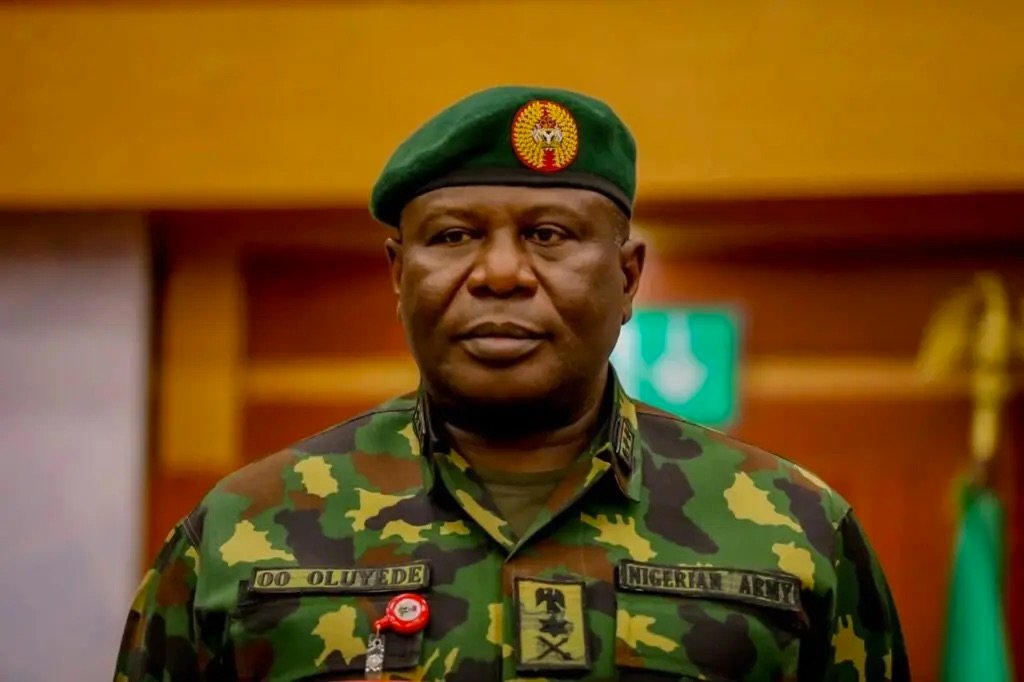
Chief of Defence Staff General Olufemi Oluyede has warned that artificial intelligence-generated videos, manipulated images and cloned voices pose growing risks to national security, cautioning that fabricated content could mislead the public, create panic and undermine confidence in the Armed Forces.
Oluyede delivered the warning through the Director of Defence Information, Major-General Samaila Uba, at the 2026 conference of the Defence Correspondents Association of Nigeria in Abuja.
He urged journalists to strengthen their verification procedures and work with the military to identify and expose fabricated material, particularly content relating to security operations.
The defence chief warned that a single misleading video generated using artificial intelligence could undermine months of operational gains and put troops at risk. He also cautioned that false information circulating during security incidents could trigger fear among residents of affected communities.
According to Oluyede, modern warfare is no longer determined by firepower alone. Intelligence, technological capabilities, cyber resilience and the ability to manage the information environment have become increasingly important to military operations.
He said the Armed Forces was investing in non-kinetic capabilities, including space-based surveillance, geospatial intelligence, artificial intelligence-enabled decision support and joint intelligence fusion.
Oluyede also advised defence correspondents to verify sensitive operational information with Defence Headquarters before publication. He called on journalists to help educate the public on recognising synthetic media and distinguishing authentic material from manipulated content.
Minister of Defence General Christopher Musa (retd.), who was represented at the event, said contemporary security threats were becoming more complex and interconnected as adversaries exploited information, technology and financial systems.
The conference also addressed questions surrounding defence funding and military procurement.
Former Chief of Army Staff Lieutenant-General Tukur Buratai clarified that the $1 billion approved by the National Economic Council in 2019 for arms procurement under the administration of the late President Muhammadu Buhari was released to the Federal Ministry of Defence, rather than directly to the Armed Forces.
“Not a single dollar of that fund passed through my hands or through the accounts of the Nigerian Army, Navy or Air Force,” Buratai said.
Former Senate President Ahmed Lawan called for the budgets of the Armed Forces and other security agencies to be placed on first-line charge, arguing that delays in releasing funds could hinder operational effectiveness.
Minister of Information Mohammed Idris, meanwhile, urged editors to consider the public interest alongside the potential harm that reporting on conflict could cause.
The discussions highlighted the challenges facing security reporting in an environment where digital tools can rapidly produce and circulate convincing but false material.
For journalists, the warning reinforces the importance of confirming the origin and context of images, videos and audio recordings before publication, particularly when they concern military deployments or active operations.
For the public, the message is that viral content should not automatically be treated as authentic, especially during security incidents when misinformation can spread quickly.