The Federal Government has approved the disbursement of N40.7 billion to primary healthcare centres across Nigeria under the Basic Healthcare Provision Fund, alongside plans to expand the programme’s reach and improve access to essential medical services.
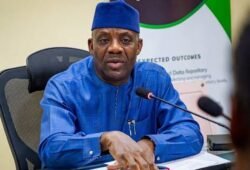
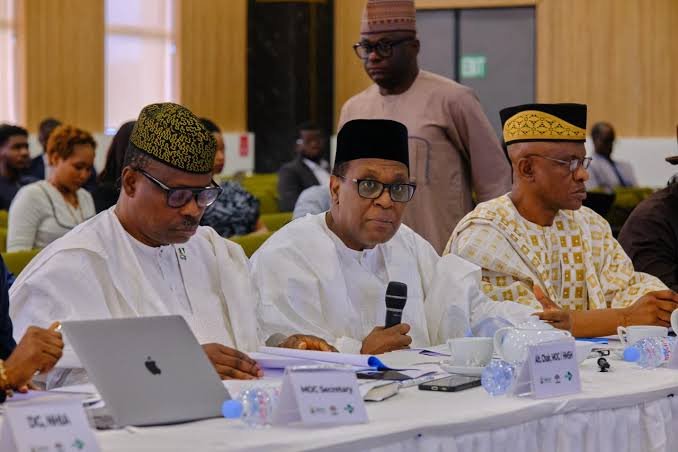
Minister of Health and Social Welfare, Professor Muhammad Ali Pate, announced the decisions on Wednesday in Abuja during the 16th meeting of the BHCPF Ministerial Oversight Committee.
Under the proposed expansion, an additional 5,000 primary healthcare facilities will be brought into the programme, adding to the existing 8,000 centres receiving support. The government also plans to strengthen the recruitment of frontline health workers and extend health insurance coverage to about 90,000 prison inmates through the Vulnerable Group Fund.
Pate said the additional facilities would be selected using considerations including equity, disease burden, population distribution and the distance residents must travel to access healthcare. The approach is intended to direct resources towards communities where healthcare access is limited and medical needs are significant.
The minister also disclosed that monthly disbursements under the fund had nearly doubled, with states receiving increased allocations to support healthcare delivery. He attributed the rise to improved government revenues but stressed that federal intervention alone would not be sufficient to build a sustainable national health system.
“The only way this will work is that we approach this as a national health system,” Pate said, urging state and local governments to make corresponding financial commitments.
The government also intends to use savings through the relevant primary healthcare development agency to support the recruitment of frontline health personnel. A transition plan covering the next three years is expected to help states gradually assume greater responsibility for employing and funding the workers.
Pate emphasised that increased funding must be accompanied by stronger accountability. He advocated the use of digital systems and artificial intelligence to monitor disbursements, improve oversight and identify possible financial irregularities.
The initiative comes as Nigeria continues to face public health challenges, including outbreaks of Lassa fever, cholera and diphtheria. The minister called for stronger interventions by state governments and increased public awareness to support disease prevention and control.
Minister of State for Health and Social Welfare, Dr Adekunle Salako, said the government had approved health insurance enrolment for approximately 90,000 inmates under the Vulnerable Group Fund.
Salako also highlighted efforts to strengthen collaboration with civil society organisations and the Independent Corrupt Practices and Other Related Offences Commission to improve procurement oversight and accountability.
The planned expansion places additional responsibility on government agencies and participating states to ensure that funds reach intended facilities, health workers are available and services improve for patients.
The programme’s impact will depend not only on the amount approved but also on timely disbursement, effective implementation and sustained funding from all levels of government.