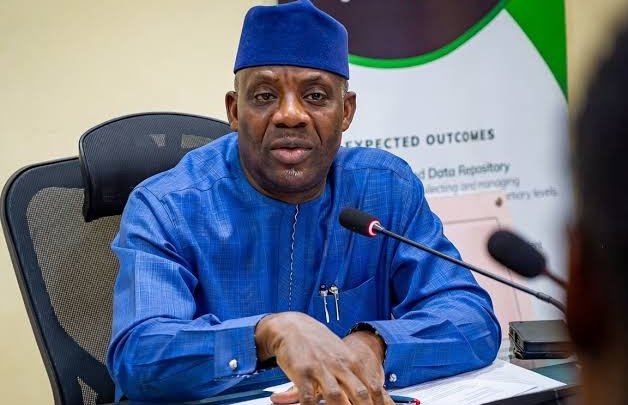
The Federal Government has urged vice-chancellors of Nigerian universities to introduce and prioritise degree programmes that address critical workforce shortages and meet the country’s growing demand for specialised professional services.
The Minister of Education, Dr Tunji Alausa, said universities should consider expanding training in Audiology, Occupational Therapy, Speech and Language Therapy, Clinical Psychology and Medical Social Work. He explained that these fields could help address gaps in healthcare and social services while equipping graduates with skills relevant to employment and professional practice.
Alausa also reaffirmed the government’s commitment to establishing autism centres across Nigeria’s six geopolitical zones. The proposed centres are intended to improve access to specialised care and support for people on the autism spectrum and their families.
The minister stressed that universities must align their academic offerings with national development priorities and the demand for professional expertise. According to him, expanding training in specialist fields would strengthen the country’s capacity to deliver essential services locally and reduce shortages in key areas of care.
The planned autism centres are expected to provide support for diagnosis, therapeutic services and research. They are also intended to serve as regional hubs connecting families with healthcare professionals and educational institutions.
The proposed expansion of specialist degree programmes could create additional career pathways for young Nigerians while helping to develop the workforce required to deliver these services. However, successful implementation will depend on universities working with relevant professional bodies and regulatory agencies to establish appropriate training standards.
Alausa assured stakeholders that the Federal Government would continue to pursue reforms aimed at improving access to relevant education, strengthening institutional capacity and promoting skills development.
He also commended the chairman of the Federal Government Committee for the Advancement of Audiology, Occupational Therapy and Speech and Language Therapy, Dr Victoria Amu, for her commitment to the initiative.
The minister called on vice-chancellors and university administrators to collaborate with Amu, the relevant regulatory agencies and professional bodies to facilitate the development of the proposed programmes. He emphasised the importance of ensuring that academic training meets established professional and educational standards.
The government’s appeal places renewed focus on the role of higher education in addressing specialist service gaps and preparing graduates for areas where skilled professionals are needed.
Deborah Adeyefa