By Deborah Adeyefa
Nigeria has no shortage of places to explore, cultures to experience or stories to tell. From the wildlife and natural landscapes of Yankari Game Reserve to the country’s diverse festivals, historical landmarks, beaches and cultural heritage, the possibilities for tourism are considerable. Yet, having attractions is only one part of building a successful tourism industry. The bigger challenge is developing them, making them accessible and ensuring that people around the world know they exist.
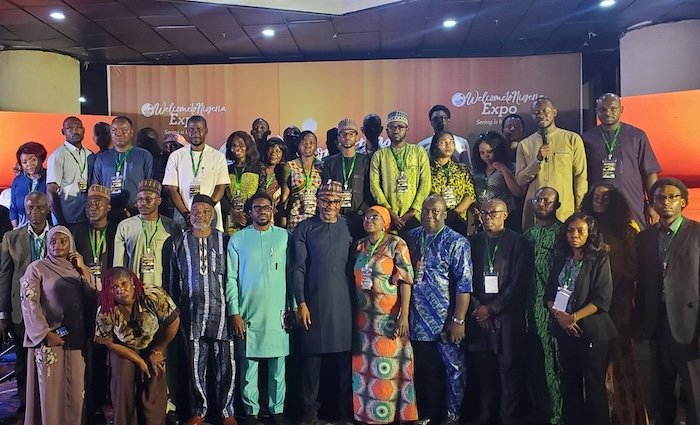
This question is taking centre stage at the Welcome2Nigeria Expo 2026 in Abuja, where tourism stakeholders are gathering to discuss the future of the sector under the theme, “Global Perspective of Nigeria Tourism Master Plan: Infrastructure Development, Sub-sectoral Growth and Economic Prosperity.”
For participants at the event, tourism represents more than leisure or movement from one destination to another. It is an opportunity to diversify Nigeria’s economy, create new business opportunities, promote cultural heritage and attract greater international attention.
But can the country translate these ambitions into practical outcomes that benefit communities, businesses and the wider economy?
Tourism beyond oil
For Alice Onoriode, Assistant Director in the Department of Domestic Tourism at the Federal Ministry of Agriculture, Tourism and Creative Economy, tourism has an important role to play in Nigeria’s economic diversification agenda.
“Tourism is one of the drivers of the economy,” she said, explaining that the country needs to explore sectors beyond its traditional dependence on oil.
She linked the sector to the economic diversification priorities of President Bola Ahmed Tinubu’s administration, arguing that tourism should be part of the effort to expand the country’s sources of economic growth.
The argument reflects a wider question about how Nigeria can derive greater economic value from its cultural and natural assets. Tourism can support accommodation providers, transport operators, restaurants, tour guides, artisans, event organisers and other businesses connected to visitors’ activities. However, these benefits depend on more than the presence of attractive destinations. They require infrastructure, investment, security, reliable services and effective promotion.
A destination may have beautiful scenery or a compelling cultural history, but if visitors cannot access it conveniently, find dependable information or obtain the services they need, its economic potential may remain unrealised.
This is why discussions around tourism development must go beyond identifying places worth visiting. They must also address what it takes to turn those places into destinations capable of attracting visitors and supporting local livelihoods.
The ambition to create attractions in every state
One of Onoriode’s expectations from the expo is that discussions among stakeholders will lead to the emergence of new tourism attractions across Nigeria’s states.
“I believe that whatever deliberations the stakeholders agree upon, one is that there will be a new tourism attraction in each of the states that will come into being,” she said.
Her expectation points to the importance of domestic tourism in a country with diverse landscapes, traditions and cultural identities.
Developing tourism within Nigeria could encourage residents to explore destinations outside their immediate communities, create markets for local businesses and draw attention to places that receive limited recognition. It could also help spread tourism-related opportunities beyond a small number of established destinations.
However, developing an attraction requires a clear plan. Roads and transportation links must support access; facilities must be maintained; local communities must have a stake in the benefits; and visitors must be able to obtain accurate information about what a destination offers.
The challenge is not simply to announce new attractions, but to develop places that people can visit, enjoy and recommend to others.
For Onoriode, international visibility is another desired outcome. She hopes the tourism industry will become better known globally, with fewer barriers preventing its development.
That ambition raises a critical question: how can Nigeria ensure that its tourism offerings are not only developed but also visible and competitive in a crowded international market?
Tourism is more than taking a trip
Mercy Sombu, Assistant Chief Tourism Officer at the Ministry of Arts, Culture, Tourism and Creative Economy, offers a broader understanding of what tourism represents.
“Tourism is just about travel. Tourism is actually a way of life,” she said, describing the movement of people for leisure, business, trade, education, medical services and other purposes.
Her explanation draws attention to the range of activities that can fall within the tourism economy. Visitors do not travel only to admire scenery. They may attend conferences, seek specialised services, study, participate in sporting activities or experience another community’s way of life.
This wider understanding matters for Nigeria because it creates opportunities to develop different tourism segments rather than concentrating exclusively on sightseeing.
Business events, cultural festivals, heritage tours, nature-based experiences and other activities can attract different categories of visitors. Each requires its own planning, services and promotional strategy.
Sombu, however, is looking to the expo for more than discussion about the sector’s possibilities. She wants to see the outcomes of deliberations on the tourism master plan.
“I am just looking forward to the discussions that will be had and the resolutions that will be made at the end,” she said.
Her expectation places the focus on what happens after the meetings. Stakeholder gatherings can provide a platform for exchanging ideas, but their lasting value depends on whether those ideas inform decisions, programmes and investment.
The important measure will therefore be whether participants can identify practical priorities, clarify responsibilities and develop a path towards implementation.
Can digital technology put Nigeria on the tourism map?
While infrastructure and investment remain important, tourism promotion is also increasingly connected to how destinations are presented and discovered in the digital space.
Akinbode Joseph, a Chief Programmer Analyst involved in computational innovation and the data economy, sees technology as an opportunity to expand the global reach of Nigeria’s tourism sector.
“I am looking at a solution way — using digital technology to promote tourism for the entire world,” he said, explaining that he hopes the expo will encourage conversations about how digital solutions can promote destinations internationally.
His proposal highlights the relationship between tourism and technology. Digital platforms can help potential visitors discover destinations, compare travel options, find information about local attractions and plan their journeys. Well-developed digital content can also introduce international audiences to Nigeria’s cultural experiences, natural sites and tourism events.
Yet visibility alone is not enough. Promotion must be supported by accurate information, dependable services and experiences that meet visitors’ expectations. A destination that attracts attention online but offers limited access or inadequate facilities may struggle to turn interest into actual visits.
Joseph also emphasised the importance of collaboration between the relevant ministries.
“We look forward to a situation where the two ministries can collaborate to project tourism to the entire world, digitally,” he said.
Such cooperation could connect technological expertise with tourism development and promotion. But its effectiveness would depend on how the partnership is organised, the resources committed to it and the practical initiatives that emerge.
The opportunity is to move beyond simply placing tourism content online and build a more coordinated approach to presenting Nigeria’s destinations to potential visitors.
Learning, collaboration and the test of implementation
For Ladi Peter James, a civil servant attending the expo, tourism offers an opportunity to discover new places, interact with different cultures and learn about the world.
She described it as movement away from home for leisure, education, sports and other purposes, including opportunities to experience places and natural features within Nigeria.
Ladi specifically highlighted eco-tourism and the value of discovering the country’s natural attractions. She cited Yankari and a hot and cold water spring in Adamawa as examples of places that can encourage people to explore more of Nigeria.
For her, the expo is a long-awaited opportunity to learn and exchange ideas.
“The coming together of stakeholders, the discussion and the idea-sharing is what I am looking forward to,” she said, expressing confidence that the gathering would be successful.
Her remarks capture one of the event’s central possibilities: bringing people with different experiences and responsibilities together to consider how the sector can develop.
However, collaboration must eventually produce results that can be seen and assessed. New ideas need to lead to decisions; decisions need to lead to action; and projects need to deliver benefits that extend beyond conference halls.
For communities with tourism potential, those benefits could include improved access to attractions, more opportunities for local enterprises and greater demand for locally provided services. For visitors, they could mean better information, more reliable facilities and a wider range of experiences.
These outcomes will require coordinated planning, sustained investment and clear responsibilities among the institutions and businesses involved.
The destination is only the beginning
The Welcome2Nigeria Expo 2026 has brought renewed attention to the possibilities within Nigeria’s tourism sector. Stakeholders are looking towards new attractions, broader economic opportunities, stronger collaboration and digital promotion that can introduce the country to wider audiences.
Their expectations reflect a shared ambition, but ambition alone cannot build a tourism industry.
Nigeria’s natural and cultural assets provide a starting point. The next step is to develop them in ways that are accessible, sustainable and economically meaningful, while ensuring that the communities connected to those destinations can benefit.
The expo’s ultimate significance will not be determined only by the number of participants who attend or the ideas exchanged during its sessions. It will depend on what happens after the discussions end.
Will states develop attractions that visitors can genuinely experience? Will partnerships between government institutions translate into practical programmes? Will digital promotion generate greater interest in Nigerian destinations? And will the resolutions reached in Abuja lead to measurable progress?
Nigeria already has places worth discovering. The question is whether it can build the systems, partnerships and experiences that will make the world want to discover them.