The Central Bank of Nigeria has intensified efforts to strengthen financial cooperation with China, engaging business leaders and financial sector stakeholders on ways to improve cross-border payments, banking connectivity and investment flows between the two countries.
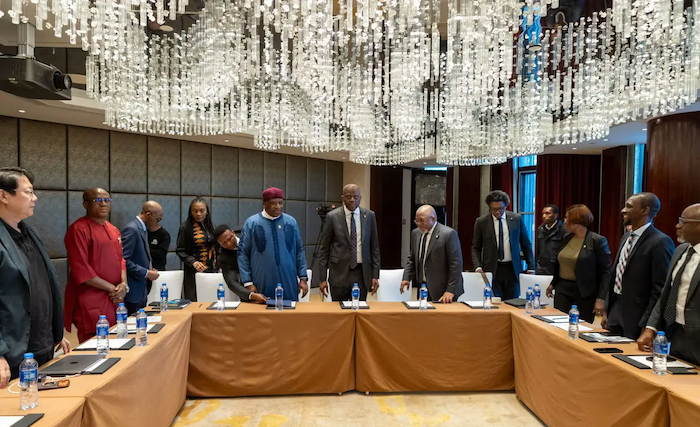
The engagement included a high-level business and financial roundtable held in Beijing on Wednesday under the theme “Strengthening the Nigeria–China Financial Corridor”. According to the CBN’s Corporate Communications Department, the meeting brought together Nigerian and Chinese participants to discuss opportunities and constraints affecting financial activity between the two economies.
CBN Governor Olayemi Cardoso emphasised the importance of hearing directly from businesses to better understand the challenges involved in cross-border transactions and identify ways to make financial connections more effective.
Deputy Governor for Economic Policy Philip Ikeazor said Nigeria needed to translate improvements in its macroeconomic fundamentals into increased investment and deeper financial markets.
The Nigerian Ambassador to China, retired Lieutenant-General Abdulrahman Dambazau, also addressed participants. Other speakers included Blue Diamond Group chairperson Festus Mbisiogu and CIG Motors chairperson Diana Chen.
Discussions covered the need for more efficient cross-border payment arrangements, stronger links between banks and the potential benefits of a greater Nigerian banking presence in China. Such connections could support companies engaged in bilateral trade by improving access to financial services and making transactions between the two markets more efficient.
The roundtable also featured a presentation on Nigeria’s economic reform programme, macroeconomic conditions and investment opportunities. The engagement forms part of the CBN’s broader strategy to expand its financial relationships across Asia and strengthen links between Nigerian businesses and international markets.
The bank’s programme in China includes planned bilateral discussions with the People’s Bank of China, engagement with the leadership of the Industrial and Commercial Bank of China, and meetings with Nigerian and Chinese businesses.
The programme is also expected to extend to Guangzhou, where the CBN plans to hold a listening session with members of the Nigerian business community. The session is intended to give business operators an opportunity to raise issues affecting their activities and cross-border financial dealings.
The CBN’s initiative reflects an effort to make financial cooperation more responsive to the needs of businesses. The practical benefits will depend on the outcomes of discussions and any arrangements subsequently developed by the participating institutions.
Deborah Adeyefa