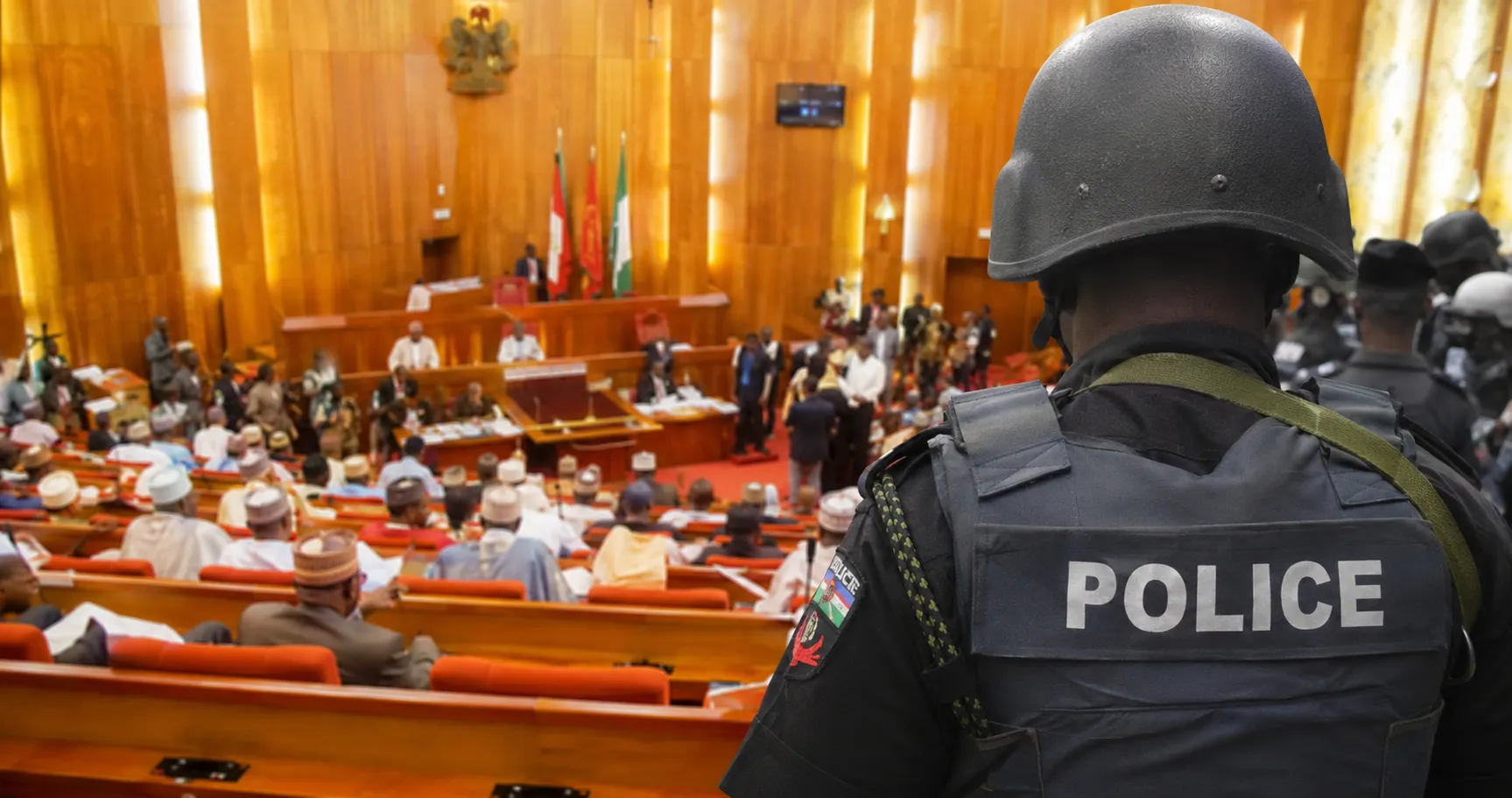
Nigeria’s proposed transition to state policing has moved closer to becoming law after 25 State Houses of Assembly reportedly endorsed the constitutional amendment seeking to decentralise the country’s police structure.
The figure exceeds the minimum requirement of 24 state assemblies under Section 9(2) of the 1999 Constitution, although the National Assembly has yet to formally certify the number of valid approvals.
The development follows Thursday’s endorsement of the Constitution of the Federal Republic of Nigeria, 1999 (Sixth Alteration) Bill, 2026, by lawmakers in Gombe State.
Gombe’s approval raised the reported tally from 24 to 25, marking another stage in the longstanding debate over establishing state-controlled police services.
Speaker Muhammad Abubakar Luggerewo said the Assembly supported the proposal to strengthen security and improve responses to threats within local communities.
The decision followed consideration of a report submitted by a seven-member committee chaired by Deputy Speaker Sadam Bello Sale.
Abia State lawmakers also unanimously endorsed the amendment on Thursday, with Deputy Speaker Austin Nmeregini arguing that decentralised policing would help states address their particular security challenges.
Similar approvals were reported in Kaduna, Yobe, Bayelsa, Akwa Ibom and Imo.
In Kaduna, House Committee on Information Chairman Henry Marah said state policing could improve community security, protect lives and property, and generate employment opportunities.
The proposed amendment, transmitted to state legislatures by the National Assembly on September 16, seeks to establish separate federal and state police services.
Under the framework, state governments would be empowered to create policing institutions responsible for addressing security challenges within their jurisdictions.
Supporters argue that the arrangement could improve intelligence gathering, accelerate emergency responses and strengthen cooperation between security agencies.
However, concerns remain over possible political interference, inadequate funding and the potential misuse of state police against political opponents.
Despite the reported legislative progress, questions surrounding the validity of some approvals must still be resolved.
Adamawa lawmakers reportedly endorsed 24 of the bill’s 26 clauses, while Ekiti transmitted observations concerning aspects of the proposed legislation.
The National Assembly must determine whether such qualified approvals satisfy the constitutional requirements before confirming the final concurrence tally.
Meanwhile, the Federal Government is preparing supporting legislation for the proposed policing system.
A presidential working group chaired by Chief of Staff Femi Gbajabiamila announced on October 20 that it had completed the National Policing Bill, 2026, alongside 29 consequential amendment bills.
The documents were submitted to the Federal Ministry of Justice for review, with feedback expected by October 30.
Even after constitutional approval, individual states would still need enabling legislation and operational arrangements before establishing their police services.
For now, the reported 25-state endorsement represents a numerical milestone rather than final constitutional approval.
Attention now turns to the National Assembly’s verification of the resolutions and completion of the remaining legislative procedures.
Ezeana Emmanuel