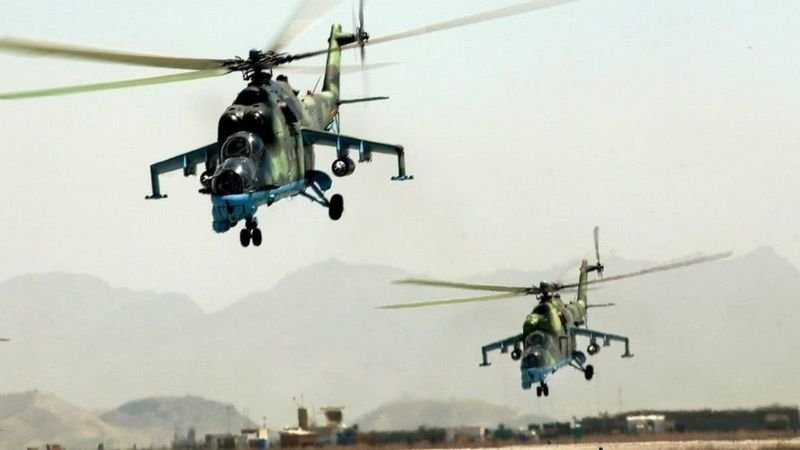
The Nigerian Air Force (NAF) spent nearly ₦18 billion on Jet A-1 aviation fuel between November 2025 and September 2026, as it sustained air operations supporting national security across the country.
The expenditure was disclosed in a statement by the Director of Public Relations and Information, Air Commodore Ehimen Ejodame, as the Service reviewed its operational and institutional achievements under the leadership of Chief of the Air Staff, Air Marshal Sunday Kelvin Aneke, ahead of his first anniversary in office on October 30.
According to Ejodame, the Air Force recorded more than 6,100 flying hours and over 2,900 sorties during the 10-month period, consuming close to 10 million litres of aviation fuel.
The missions included precision air strikes, armed reconnaissance, surveillance and close air support. The Service said the operations were designed to weaken hostile groups, restrict their movements and improve the effectiveness of ground forces.
It added that mission planning was guided by actionable intelligence, clearly defined objectives and assessments of operational outcomes.
Beyond combat operations, the NAF said it had pursued measures to improve personnel welfare, professional development, aircraft availability and infrastructure. Aneke’s leadership philosophy is summarised in the principle, “Welfare for Enhanced Warfare,” which places personnel welfare at the centre of operational readiness.
The Service reported improvements in areas including allowances, medical support and accommodation, alongside the reactivation of welfare airlift services for personnel serving in frontline operational theatres.
On fleet expansion, the Air Force disclosed that it received five helicopters in September: three AW-109 Trekker Type B helicopters and two H125 helicopters. It is also pursuing an acquisition programme that includes 12 AH-1Z attack helicopters, alongside other planned aircraft and unmanned aerial systems.
Maintenance and fleet regeneration efforts include work on six L-39ZA aircraft in Slovakia and Nigeria, as well as periodic depot maintenance on a C-130 aircraft in Portugal.
The NAF also reported progress on infrastructure, stating that 284 projects had been approved, with 145 completed and 139 ongoing. The projects cover accommodation, medical and academic facilities, operational buildings, roads, electricity and water supply.
The figures were released as the Service outlined efforts to translate investment in personnel, aircraft, training and infrastructure into improved operational capability.
Deborah Adeyefa