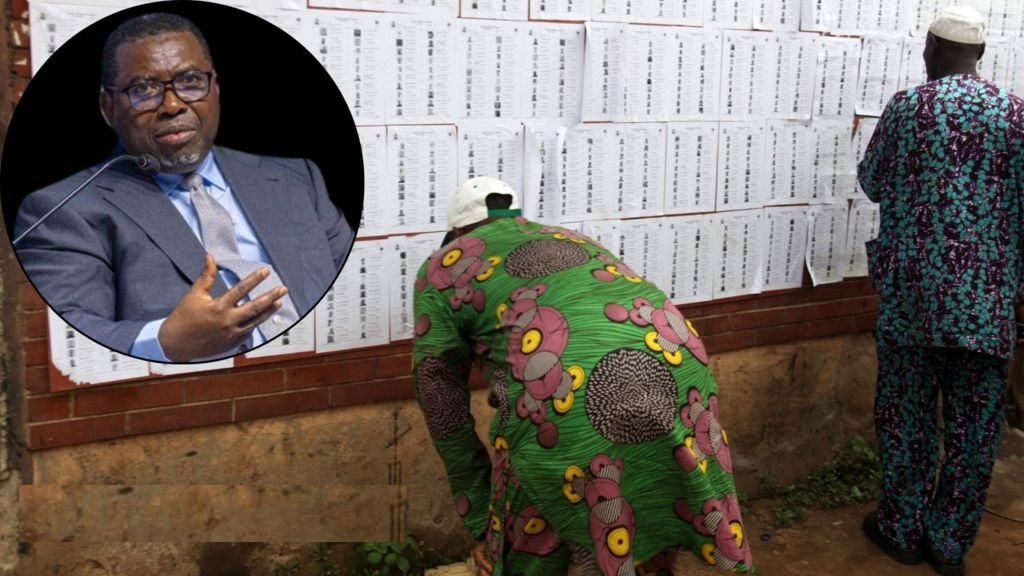
The Independent National Electoral Commission (INEC) has commenced an assessment of potential threats to the conduct of the 2027 general elections across Plateau State’s 17 local government areas.
The exercise is aimed at identifying security, political and administrative vulnerabilities that could disrupt electoral activities and developing measures to address them before the polls.
Plateau State Resident Electoral Commissioner, Prof. Samuel Egwu, disclosed this on Thursday during a two-day Electoral Risk Management Sensitisation Workshop in Jos.
Egwu explained that the initiative would enable electoral stakeholders to examine possible threats, evaluate their implications and formulate preventive strategies.
He identified ethnic and religious divisions, unemployment, poverty, kidnapping and political manipulation as factors capable of undermining peaceful elections.
According to him, Nigeria’s diverse social composition could become a source of electoral tension when political actors exploit existing differences for personal or partisan advantage.
The commissioner warned that the deliberate use of ethnic and religious identities for political mobilisation could deepen divisions and create conditions that threaten electoral stability.
Beyond security concerns, Egwu highlighted declining public confidence in the electoral process as another significant challenge.
He noted that perceptions of unfairness, distrust of INEC and fears that votes might not count could increase tensions among voters and political stakeholders.
The REC therefore urged participants to examine the peculiar challenges facing each of Plateau’s 17 local government areas rather than adopt a uniform approach to electoral risk management.
He stressed the need for evidence-based interventions that reflect the political and security realities of individual communities.
Also speaking, INEC’s Administrative Secretary in Plateau State, Mrs Mary Uloko, emphasised the importance of early preparation and institutional cooperation in delivering credible elections.
Uloko said effective electoral administration required coordination among election officials, security agencies, civil society organisations and other stakeholders.
She explained that the workshop was designed to improve communication, clarify responsibilities and encourage collective responses to emerging challenges.
The administrative secretary urged participants to exchange experiences and maintain cooperation beyond the sensitisation programme.
According to her, sustained engagement would help strengthen public trust and improve preparedness ahead of the elections.
Meanwhile, the Director of Civil Liberties Organisations (CLO), Mr Steve Aluko, called for particular attention to vulnerabilities associated with the collation and transmission of election results.
Aluko maintained that public confidence remained central to effective electoral risk management, especially during sensitive stages of the voting process.
He urged INEC and security agencies to strengthen safeguards around result management to minimise disputes and potential disruptions.
The civil society representative reaffirmed the commitment of civic organisations to supporting peaceful and credible elections.
The workshop forms part of INEC’s preparations to identify and address potential electoral challenges before voting begins in 2027.
Stakeholders are expected to use the discussions to develop coordinated responses aimed at reducing risks and improving confidence in the electoral process across Plateau State.
Ezeana Emmanuel