

The Independent National Electoral Commission has reaffirmed its commitment to ensuring that persons with disabilities can participate fully in the 2027 general elections.
The commission said it was working to address physical, communication and procedural barriers that could prevent voters with disabilities from exercising their electoral rights.
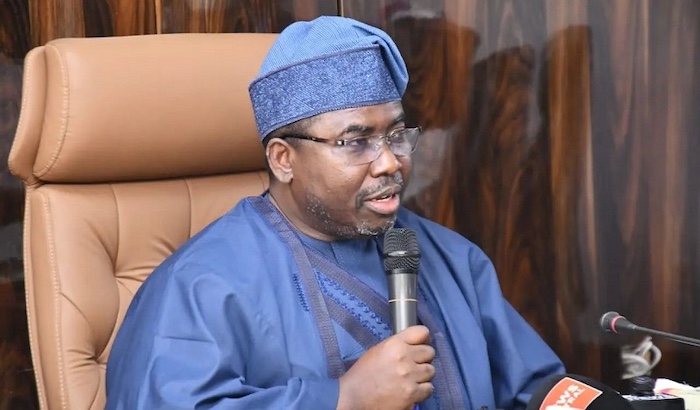
The Resident Electoral Commissioner in Gombe State, Umar Gajiram, stated this on Monday through the Administrative Secretary, Fadimatu Bakari, at a sensitisation workshop on disability inclusion, accessibility and electoral interventions.
The workshop was held at Hajiya Amina Inuwa Gombe Hall.
Gajiram said the right to participate in elections applied to every Nigerian, regardless of physical, visual, hearing or other forms of disability.
He noted that the commission recognised the importance of ensuring that persons with disabilities were not left out of the democratic process, adding that their participation and votes mattered.
According to him, INEC has introduced measures aimed at making the electoral process more inclusive. These include the provision of assistive materials, improved accessibility at polling units, training for electoral officials and collaboration with organisations representing persons with disabilities.
However, he cautioned that the availability of such interventions would not be sufficient unless they were properly implemented during elections.
The Assistant Director, Youth, at INEC headquarters, Bukar Maikwada, said the workshop was designed to improve stakeholders’ understanding of disability inclusion and strengthen preparations for the deployment of the commission’s interventions ahead of the 2027 polls.
He identified some of the materials provided by INEC as Braille Ballot Guides for visually impaired voters, EC30 PWD Written Instruction Posters for deaf voters and magnifying glasses for people with visual impairment and albinism.
Other interventions include voter education materials produced in Braille, as well as jingles, flyers and posters.
The commission’s renewed commitment places emphasis not only on providing assistive materials but also on ensuring that electoral officials and stakeholders understand how to make them accessible to voters who need them.
Deborah Adeyefa