The European Union has warned Nigerian authorities against using concerns over artificial intelligence-generated misinformation to justify censorship, restrict press freedom or suppress political dissent ahead of the 2027 general elections.
The EU said efforts to tackle foreign information manipulation and interference must respect democratic rights, including freedom of expression, media independence and citizens’ participation in public debate.
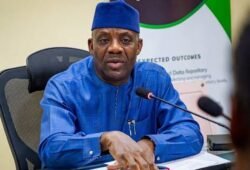
The EU Ambassador to Nigeria and ECOWAS, Gautier Mignot, gave the warning on Monday at the National Summit on Electoral Information Integrity in Abuja.
The two-day event was organised by the International Press Centre, the Centre for Media and Society and Development Alternatives Incorporated under the European Union Support to Democratic Governance in Nigeria Programme.
The summit, themed Beyond the Ballot: AI, FIMI and the Integrity of Nigeria’s 2027 Elections, brought together stakeholders to examine the risks artificial intelligence and foreign information manipulation could pose to the electoral process.
Mignot acknowledged that artificial intelligence could improve translation, accessibility and communication. However, he warned that the technology could also make deceptive content easier to create and more difficult to identify.
He stressed that the threat of AI-driven manipulation should not be used as justification for excessive government control or restrictions on legitimate criticism.
The ambassador noted that citizens questioning public institutions and journalists reporting failures were exercising democratic rights and should not automatically be treated as sources of misinformation.
Former INEC Chairman, Professor Attahiru Jega, called on the commission to consider deploying artificial intelligence-powered chatbots to provide voters with reliable electoral information and help counter false claims ahead of the elections.
The current INEC Chairman, Professor Joash Amupitan, also warned that artificial intelligence could be exploited to circulate fabricated election results, forged operational directives and misleading information capable of causing confusion and violence.
He said the commission was strengthening its technological capacity and communication systems to detect deepfakes, verify suspicious content and provide authoritative clarifications.
The discussions highlighted the need to protect electoral information while ensuring that measures against misinformation do not undermine the democratic freedoms they are intended to safeguard.
Deborah Adeyefa