


By Ezeana Emmanuel
For many Nigerians, eating healthy is shifting from a personal choice to a question of what’s affordable.
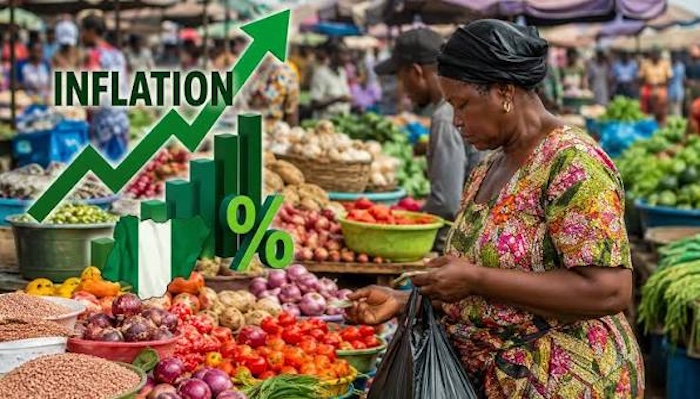
Recent data from the National Bureau of Statistics (NBS) shows that the average cost of a healthy diet rose to ₦1,541 per person per day. While the figure may seem small at first glance, it paints a worrying picture when placed against the realities of household incomes and the rising cost of living.
For a family of four, maintaining a healthy diet could cost more than ₦184,000 monthly. This is far beyond the reach of many households already grappling with high transportation costs, rent, school fees, and other essential expenses.
It is becoming a trend that nutritious meals are gradually becoming a luxury rather than a basic necessity.
When families are forced to stretch limited budgets, healthy foods are often the first casualties. Protein-rich foods such as fish, meat, eggs, and dairy products are increasingly being replaced with cheaper, less nutritious alternatives. Fruits and vegetables, which are essential for a balanced diet, are also becoming harder to afford regularly.
This shift carries serious consequences beyond household finances. Poor nutrition can weaken immunity, reduce productivity, and increase the risk of chronic illnesses such as diabetes, hypertension, and obesity. In the long run, the inability to access healthy food could create a public health challenge that places even greater pressure on the country’s healthcare system.
What makes the situation particularly concerning is that healthy eating should not be considered a privilege. Access to nutritious food is fundamental to human well-being and national development. A population that cannot afford healthy meals is likely to face lower educational outcomes, reduced workforce productivity, and poorer health indicators.
The NBS report also highlights stark differences across states, with some regions recording significantly higher costs for healthy diets than others. However, regardless of location, the broader trend remains the same: the price of nutrition is rising faster than many Nigerians can keep up with.
Addressing this challenge will require more than temporary interventions. Investments in agriculture, improved food supply chains, reduced transportation costs, and policies that support food affordability are all critical to reversing the trend.
Until that happens, millions of Nigerian families will keep facing hard choices at the dinner table that is not picking what’s healthiest, but what they can actually pay for..
And that may be the most troubling indicator of all.