

Ezeana Emmanuel
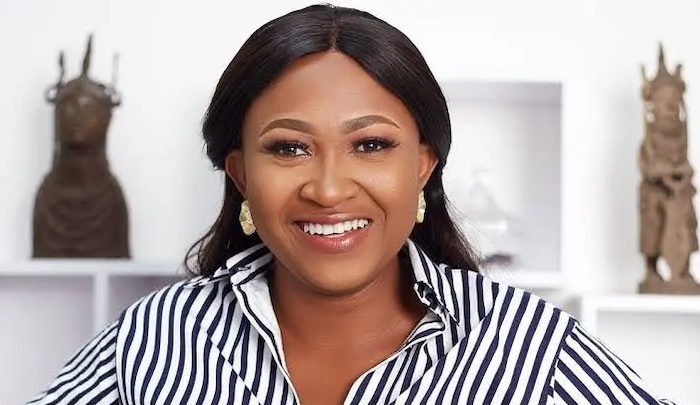
When Nollywood actress and producer Mary Remmy Njoku told African Christians on Instagram this week that they can’t pray away bandits or rebuke a broken healthcare system into working, the response was instant and split. Some agreed. Others fired back. A few even called it blasphemous.
But the argument her post sparked goes deeper than one celebrity’s take on faith.
By most measures, Nigeria is one of the most religious countries in the world. Churches line almost every street in Lagos. Friday prayers shut down whole neighborhoods in Kano. Faith and religion is at the center of how Nigerians speak, live, do business, and vote. Yet the same country ranks low on nearly every governance metric that counts: roads, healthcare, security, education, accountability.
The question Njoku’s post raises, even if she did not frame it this way, is whether those two facts are connected
She’s not saying prayer is useless. In places where institutions keep failing, religion can quietly soak up the anger that should turn into civic pressure. No drugs at the hospital? You pray. That road still broken after six years? You pray. Bandits hit your neighbor? You organize a vigil. The spiritual reaction becomes a release valve. The frustration that should be aimed at the government gets channeled upward instead.
Njoku said it straight: “Physical problems require physical solutions.” Strip away the religious framing and she’s talking about a governance crisis. Bad roads aren’t a spiritual issue. They’re the result of contracts ignored, budgets not released, officials not held to account. Banditry doesn’t continue because people didn’t pray enough. It continues because there’s not enough political will, security agencies are underfunded, and communities have no economic options.
The pushback followed a familiar script. Many argued that faith and action are not mutually exclusive, that prayer gives strength and wisdom for practical work. That’s valid, and Njoku acknowledged it too. She does not argue against faith. She was pushing back against using faith as a stand-in for accountability.
A country that prays together but never demands better from its leaders will keep getting the same bad roads, same failing hospitals, same insecurity, and the same politicians. They know a population looking to heaven for answers isn’t watching them.
Mary Remmy Njoku made her point in an Instagram post. But the conversation it started deserves more than a social media debate. It needs Nigerians to honestly ask what they’ve been conditioned to accept, and who benefits most from that acceptance.