


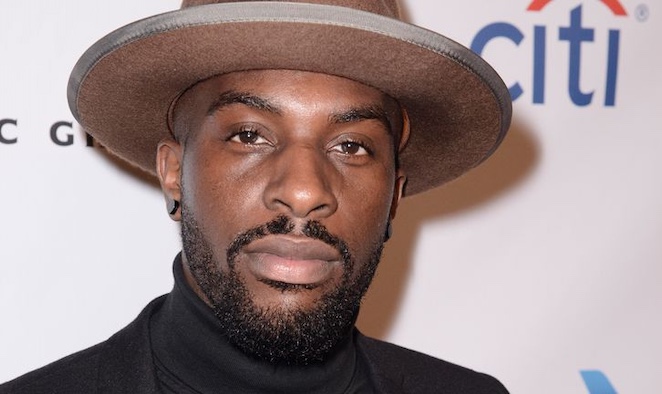
On the morning of Friday June 5, Mark Yinka Orabiyi was stabbed on a street in East London. He was 35. By the time tributes began pouring in from across the music industry, many people encountering his professional name, Talay Riley, for the first time were discovering something quietly uncomfortable: this man had been shaping the music they loved for over a decade, and most of them had never heard of him.
Riley got into music at 18, signing with Global Publishing before most people his age even knew what path to take. He toured the UK and US with Skepta, Usher and Trey Songz. He wrote and worked with Kehlani, H.E.R. and Khalid, artists whose names are always on the charts and at awards shows. By every industry metric, he’d made it. By every public metric, the average listener didn’t know his name.
That’s the specific kind of invisibility the music business gives certain creators. Songwriters and behind-the-scenes collaborators have always lived in the shadow of the artists they support. It’s another thing entirely when that songwriter is Nigerian-British, operating where Black British music meets American R&B, helping build a cultural wave without ever being pulled into the spotlight.
Over the last twenty years, British music has been shaped heavily by creatives of Nigerian and West African roots. That influence shows up in Afrobeats crossing over, in modern R&B’s sound, in the production and writing rooms behind era-defining albums. But the story the public tells about that contribution is still narrow, focused on a few names while the larger pool of talent that made it happen stays mostly uncelebrated.
Riley’s death has forced a brief, uncomfortable reckoning with that gap. The tributes that came after were filled with industry people talking about his craft, his generosity, his talent, and twenty years of quiet, steady excellence. Grammy winner. Multi-platinum writer. A light in so many lives, as his family put it.
His brother Scribz Riley, a producer in his own right, said they’d talked the night before about what was next, about everything they still wanted to do. That future ended on a Friday morning on a street in Silvertown.