


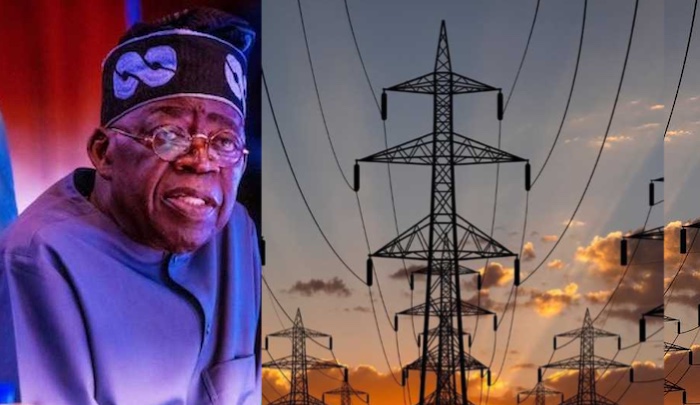
Electricity regulators from 16 states have strongly opposed the proposed amendment to the Electricity Act 2023, warning that it seeks to reverse power sector decentralisation and restore excessive federal control.
In a joint memorandum submitted to the Senate Committee on Power, the regulators accused the National Assembly of attempting to claw back powers devolved to states under the Constitution and the 2023 Act. Signatories include regulators from Abia, Anambra, Bayelsa, Edo, Ekiti, Enugu, Gombe, Imo, Kogi, Lagos, Nasarawa, Niger, Ogun, Ondo, Oyo and Plateau states. They argued that the amendments would undermine investor confidence and stall sub-national electricity markets already under development.
The regulators identified 17 contentious provisions, including those on state legislative authority, wholesale market participation, NERC’s oversight, and the Power Consumers Assistance Fund. They described some clauses as inconsistent with federalism principles. The dispute highlights tensions between federal and state governments over electricity reforms following the 2023 Act, which removed electricity from the Exclusive Legislative List. Several states have since enacted their own laws and engaged investors in a bid to bridge the power supply gap.
This opposition underscores the push for true federalism in the power sector, where states seek autonomy to attract private investment and improve electricity access for their residents. Critics argue that recentralisation could discourage the progress made in states like Lagos and Edo, which have made significant strides in renewable and mini-grid solutions. As deliberations continue, stakeholders call for inclusive consultations to balance national coordination with sub-national innovation. The outcome could determine the pace of Nigeria’s electricity reforms and its ability to meet growing energy demands amid economic challenges.
The Senate is expected to continue deliberations on the bill amid calls for broader consultation with state governments and industry players. Successful resolution of this impasse is crucial for unlocking investment and achieving sustainable power supply nationwide.