

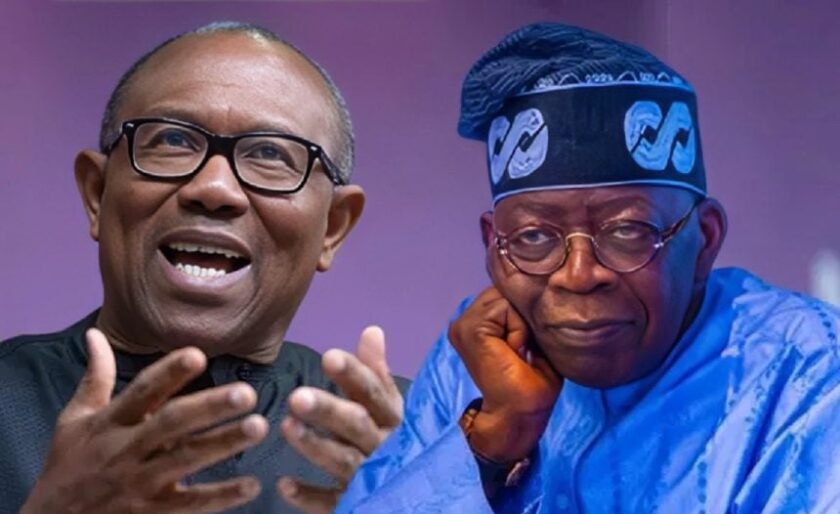
Former presidential candidate Peter Obi has criticised President Bola Tinubu’s administration over what he described as a sharp and unsustainable rise in Nigeria’s public debt profile, which he put at about N200 trillion.
In a statement posted on his official X account on Tuesday, Obi said the country’s debt had increased by more than N100 trillion within three years, comparing it unfavourably with the N49 trillion accumulated over eight years under former President Muhammadu Buhari.
He expressed concern over what he described as a lack of transparency in the utilisation of borrowed funds, warning that Nigerians are being burdened with debts whose usage is not clearly explained.
Citing Budget Office data, Obi noted that Nigeria borrowed approximately N11.89 trillion in the first three quarters of 2025, surpassing projected targets by about N1.54 trillion.
According to him, while borrowing is not inherently bad when properly managed, the current pattern raises questions about accountability and fiscal discipline.
“The most disturbing aspect… is that there is no explanation or information regarding how the balance was utilised,” he stated.
Obi questioned whether the funds were used for capital development projects or diverted to recurrent expenditure, urging the government to provide clear breakdowns of spending.
Nigeria’s rising debt profile has been linked to increased borrowing following major policy reforms, including fuel subsidy removal and foreign exchange adjustments, which have raised government financing needs and debt servicing obligations.
While the Federal Government has defended borrowing as necessary for infrastructure development and economic stability, critics argue that the pace of accumulation is unsustainable and poses risks to future generations.
Obi’s remarks add to ongoing opposition criticism of the administration’s economic management, especially regarding transparency, inflationary pressures, and public spending priorities.
Analysts say the debate around Nigeria’s debt sustainability is likely to intensify as economic reforms continue and fiscal pressures increase.