

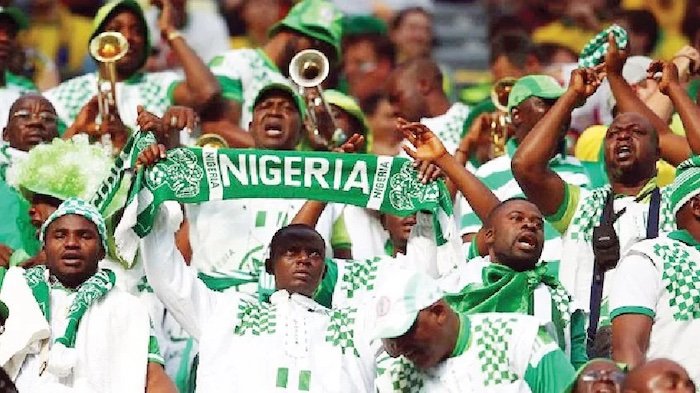
Millions of Nigerians are grappling with deep disappointment and economic setbacks as the 2026 FIFA World Cup kicks off in North America without the Super Eagles, marking the country’s second consecutive absence from football’s biggest stage.
The tournament opened on Thursday at the iconic Estadio Azteca in Mexico City, with co-hosts Mexico facing South Africa. For fans at home and in the diaspora, the occasion has become a painful reminder of missed opportunities, lost business prospects, and bruised national pride. Many supporters had made personal and financial plans around Nigeria’s expected participation. Soyemi Tosin, a UK-based Nigerian, revealed he had saved specifically to attend matches in person after watching the 2018 tournament on television in Lagos. Those plans are now on hold indefinitely.
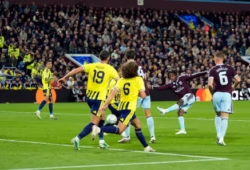
In Canada, another host nation, Precious Ogbolu expressed regret over the lost chance to watch the Eagles play on home soil. Content creators, betting platforms, and businesses that rely on major tournaments for sponsorships, advertising revenue, and patronage also reported significant financial setbacks. Nigeria’s qualification campaign was marred by inconsistency despite a relatively favourable group. Under three different coaches, the team reached the play-offs but fell heartbreakingly to the Democratic Republic of Congo on penalties.
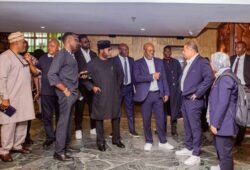
Former players like John Obi Mikel and Sunday Oliseh have openly criticised the Nigerian Football Federation (NFF) for chronic mismanagement and called for urgent, comprehensive reforms to prevent further decline in Nigerian football. Business owners running viewing centres expect drastically reduced patronage, contrasting sharply with the economic boom experienced during Nigeria’s successful 2018 World Cup campaign. While some optimistic fans see potential for redemption by 2030, the immediate feeling across the country is one of frustration and disillusionment.
Ten African nations qualified for the expanded 48-team tournament, making Nigeria’s absence even more glaring and prompting soul-searching about the state of the nation’s football infrastructure. The development has ignited conversations on social media and in traditional forums about systemic issues plaguing the sport, from poor administration to inadequate grassroots development. Stakeholders warn that without decisive action, Nigeria risks falling further behind regional rivals who are making strides on the global stage.
As the World Cup unfolds without Nigerian representation, the focus shifts to rebuilding the Super Eagles and restoring glory to a football-mad nation. The absence is not just sporting but carries cultural, economic, and psychological implications for millions who see football as a unifying force and source of national identity.